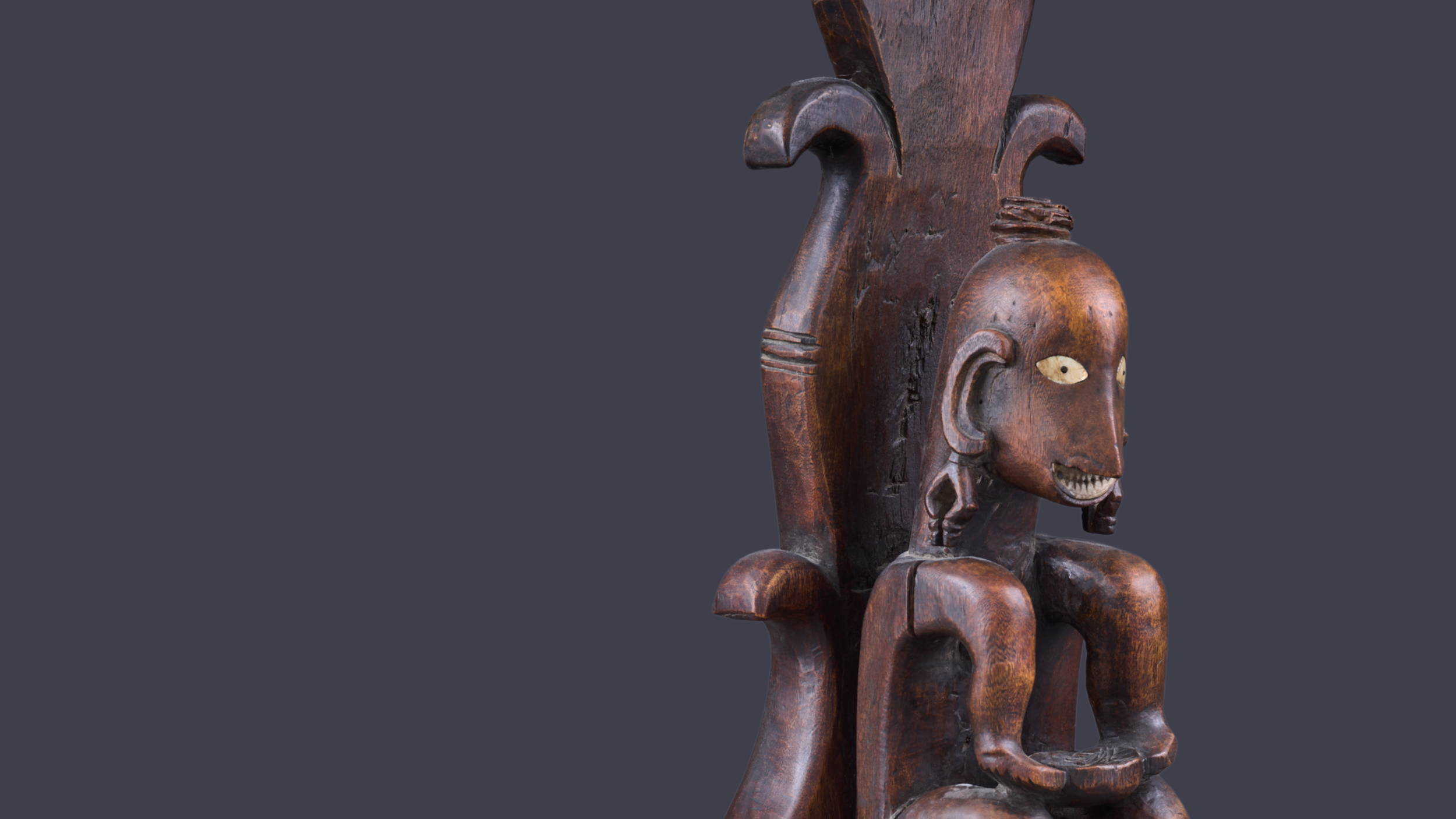
LULI
SHRINE
FIGURE
T A N I M B A R
I S L A N D
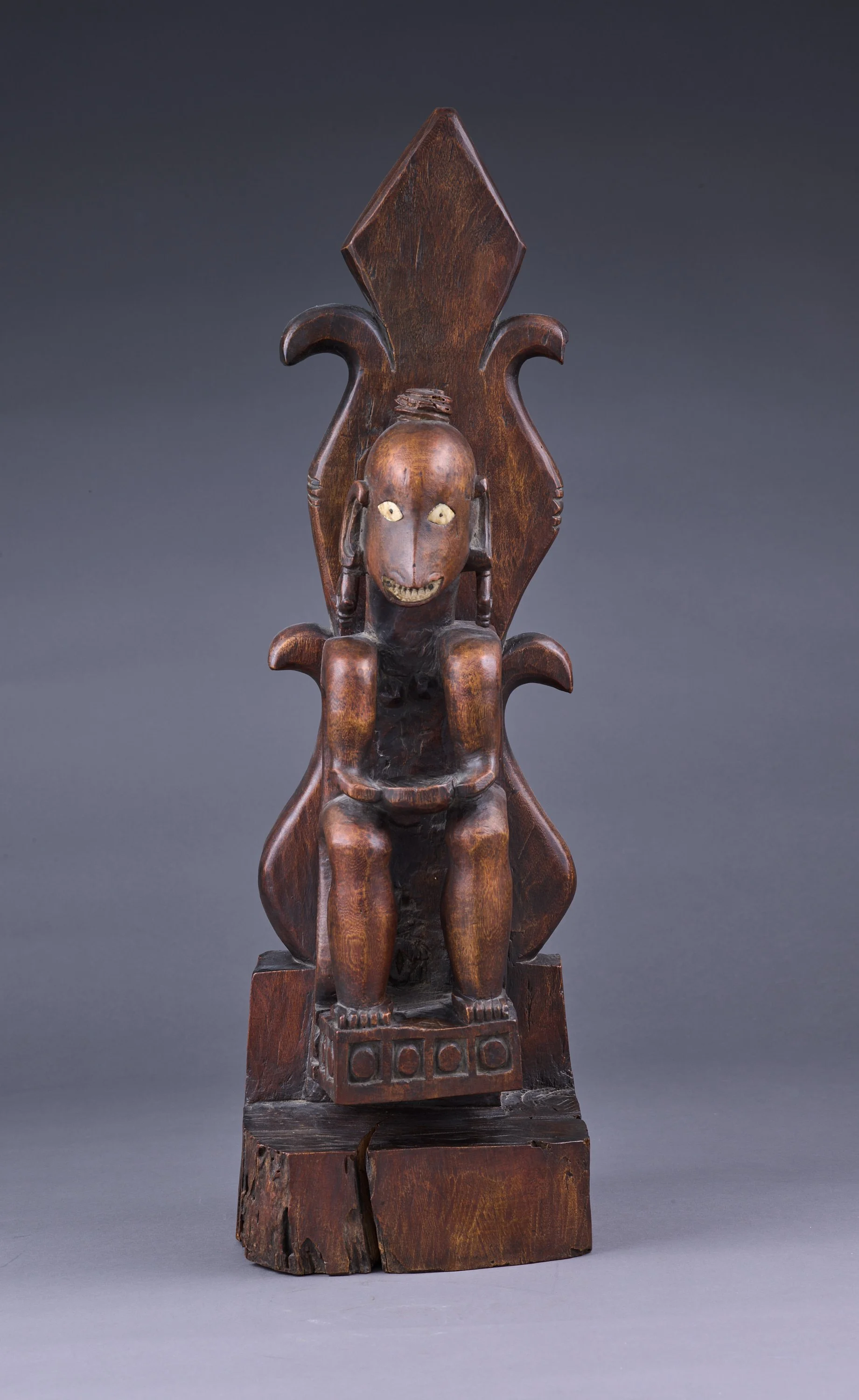
LULI SHRINE FIGURE
-
19th century
-
Tanimbar Island, Maluku Tenggara, Indonesia
-
Tanimbar peoples
-
Wood, shell inlay
-
63 cm (25 in) x 20.3 cm (8 in)
-
Lennart Van Lier, a famous pre and post-war art dealer based in Amsterdam.
Vossenaar Family collection.
Family descent to Frederik Vossenaar.
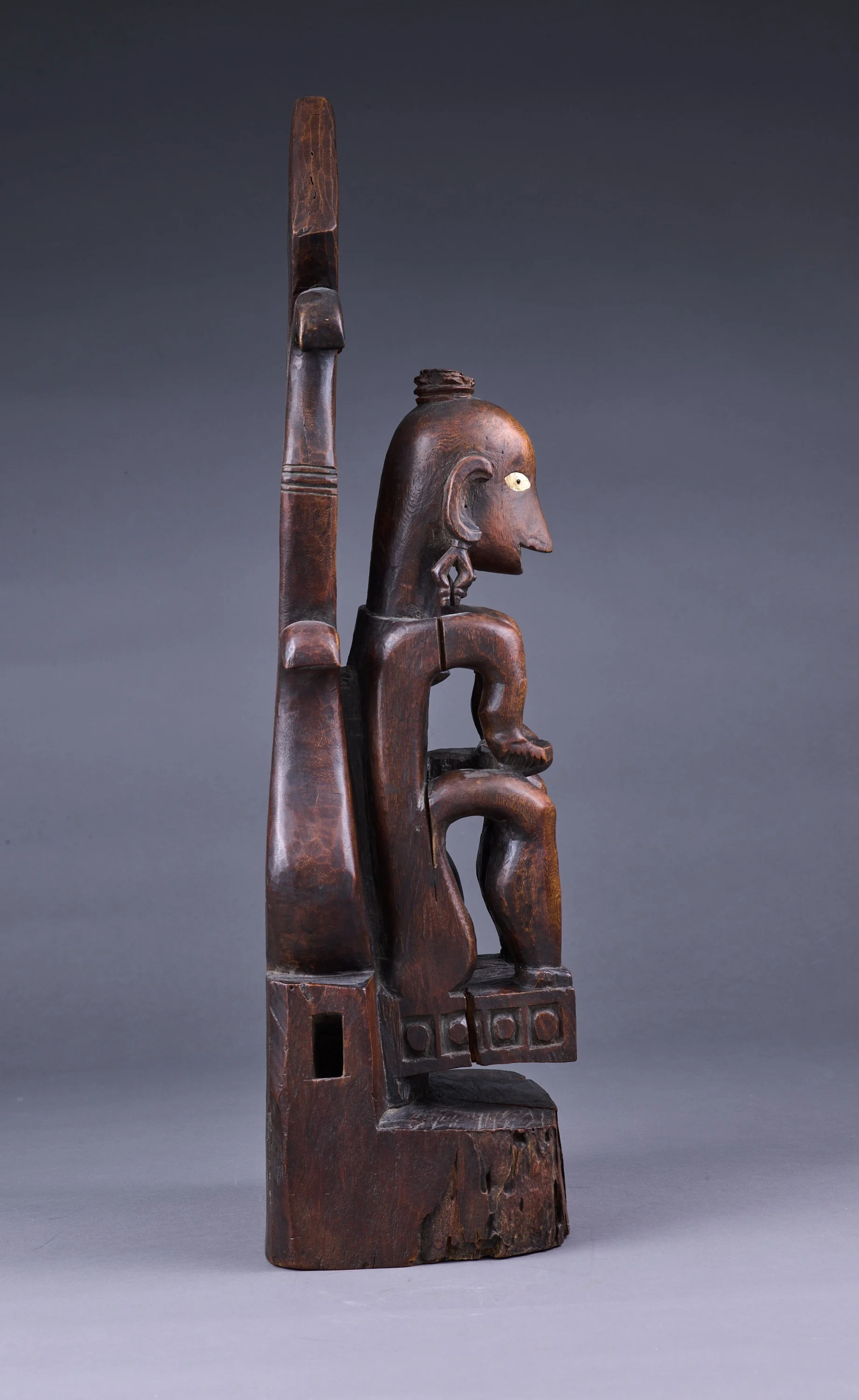
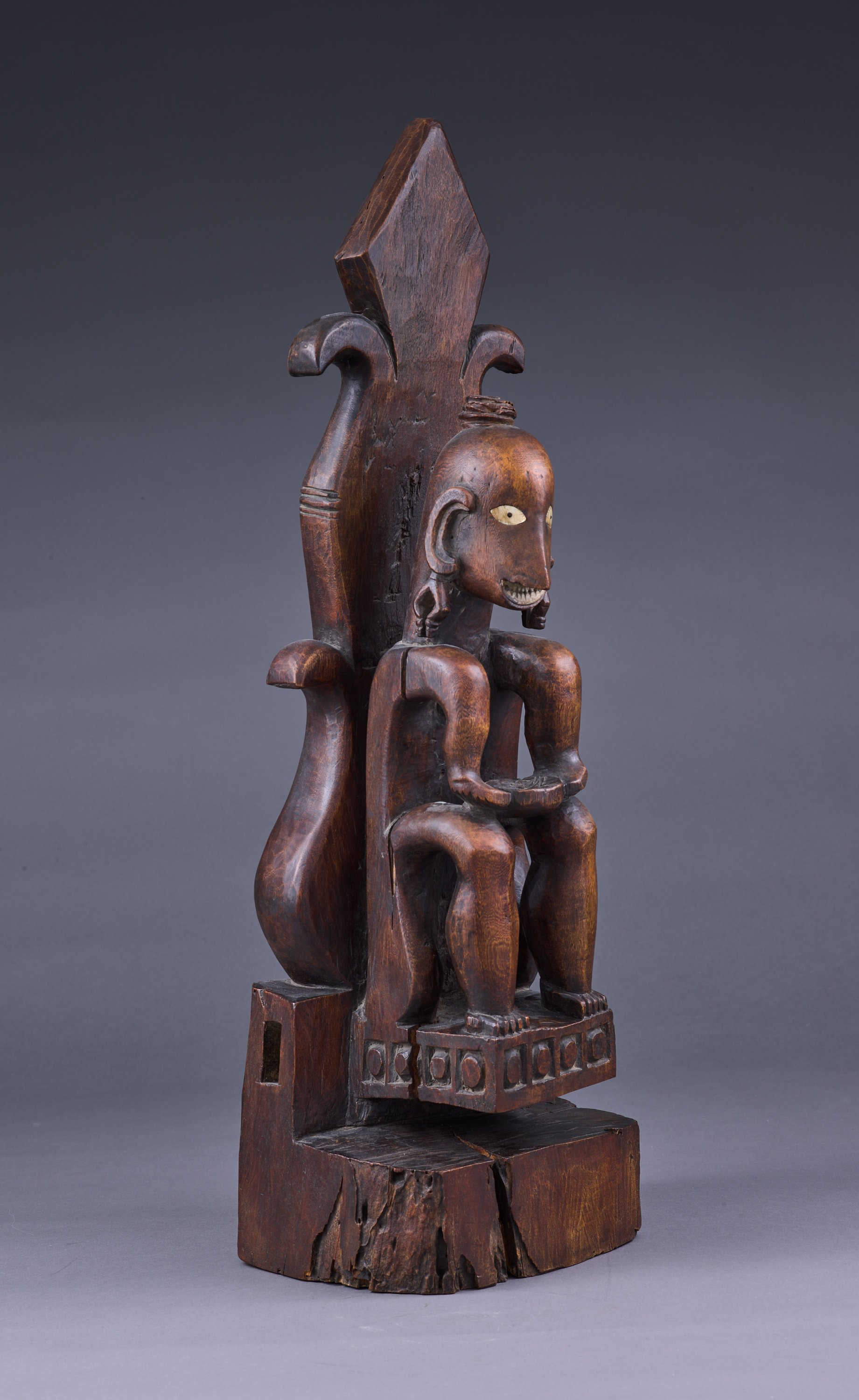
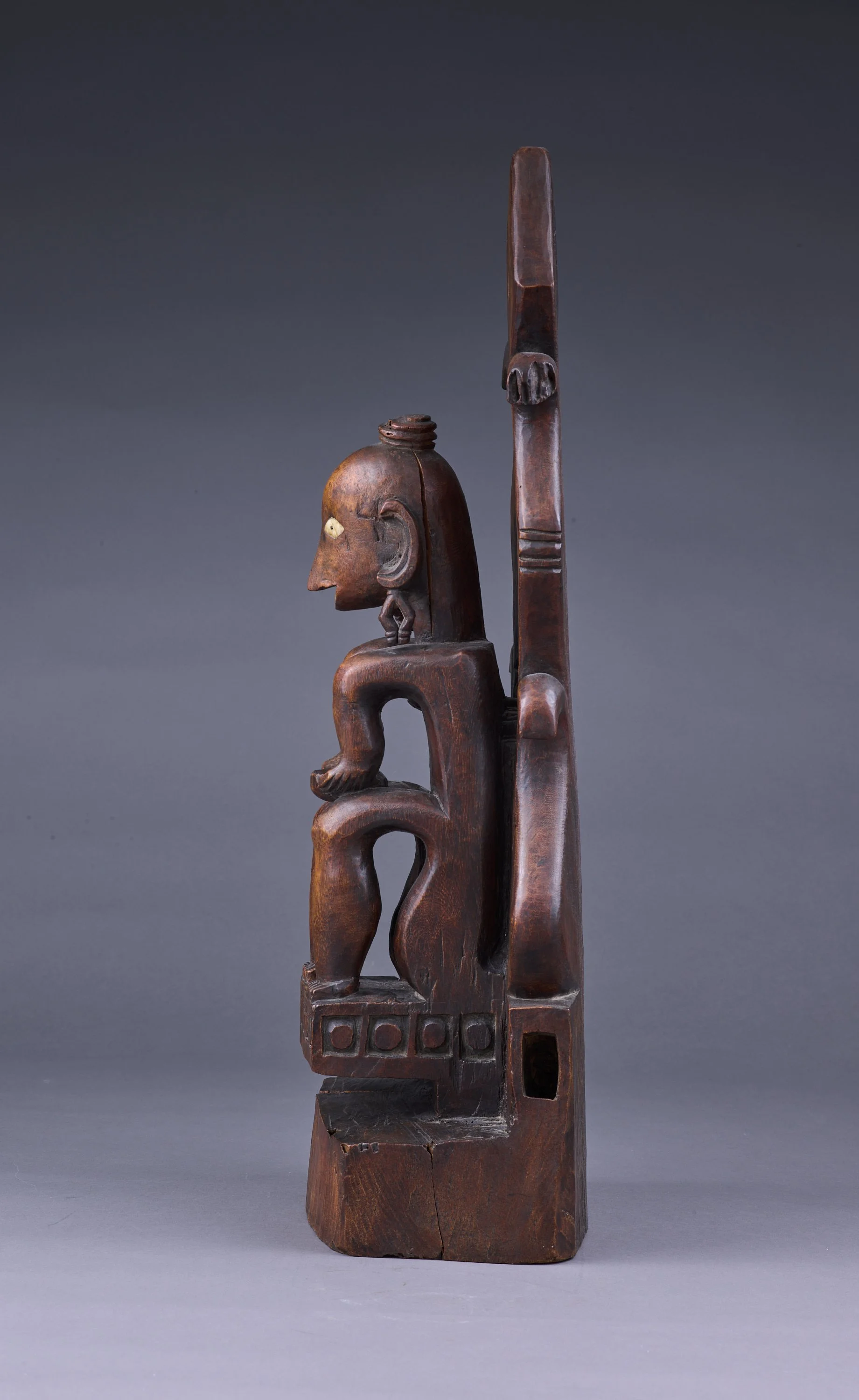
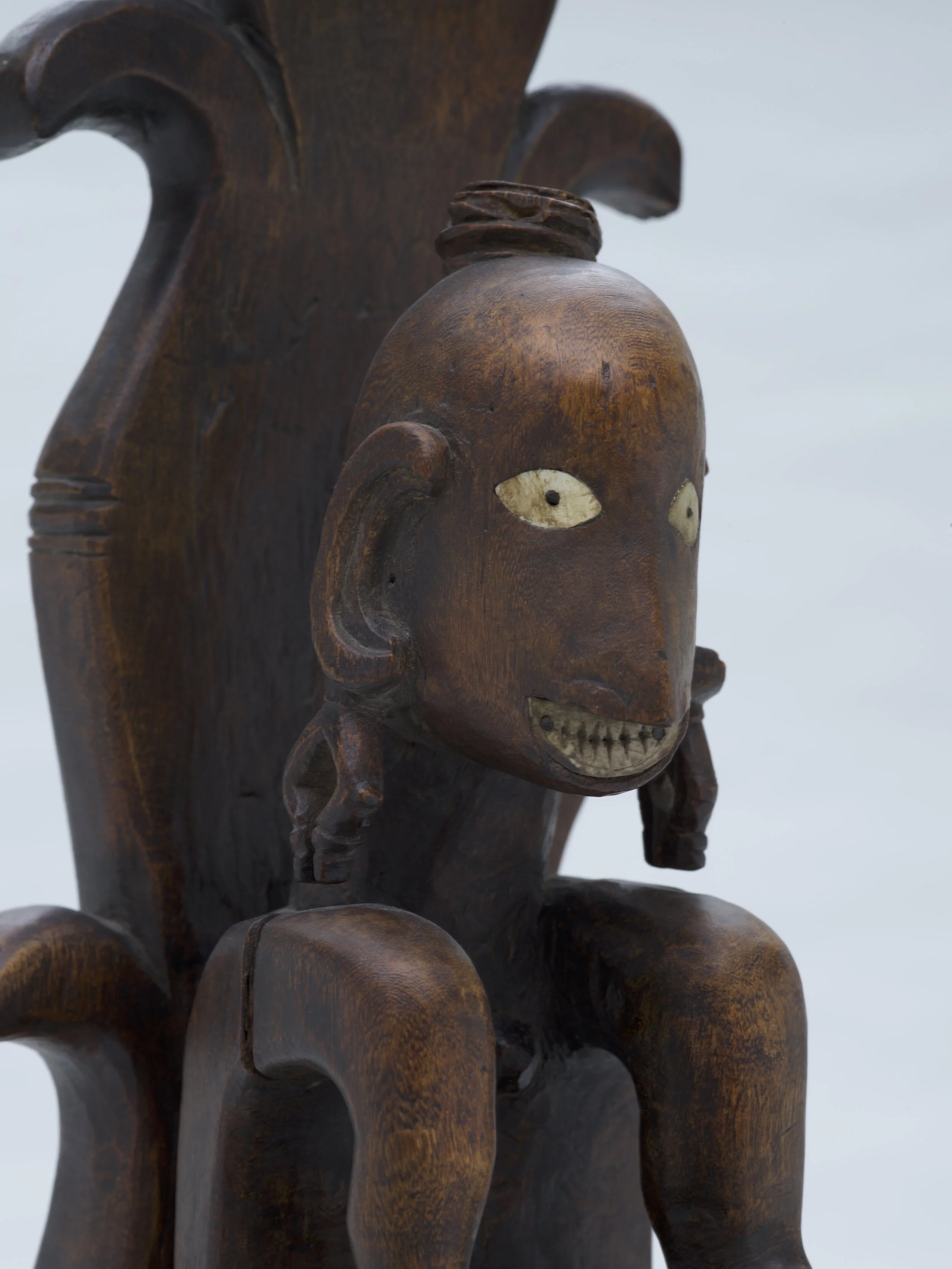
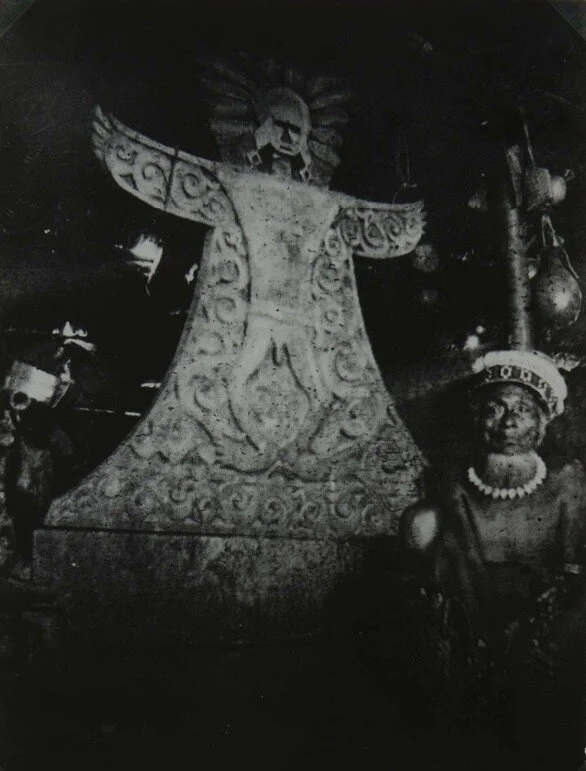
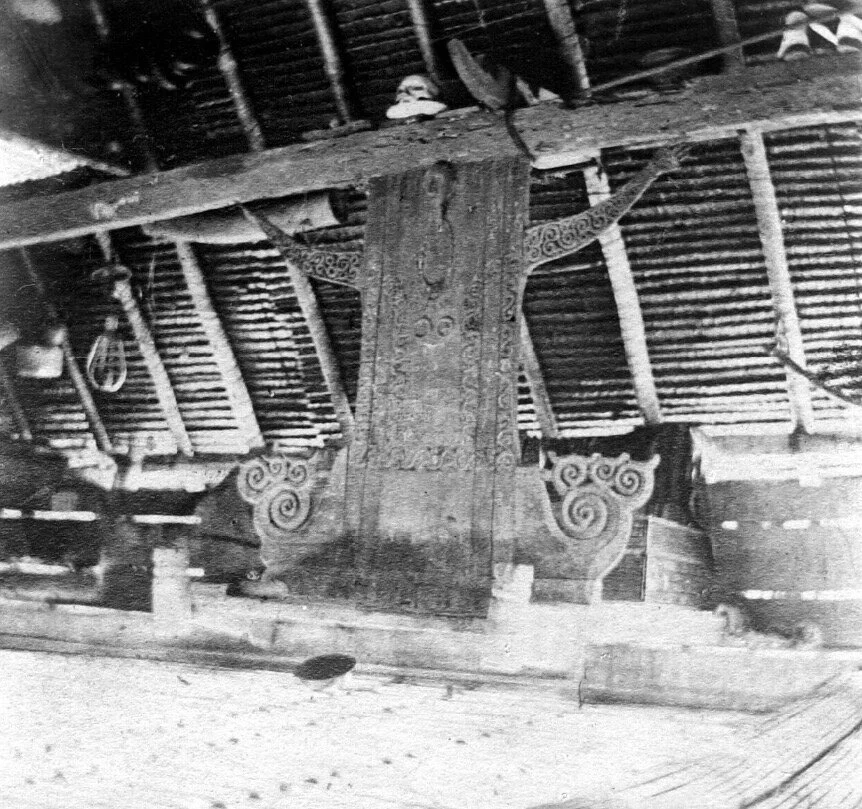
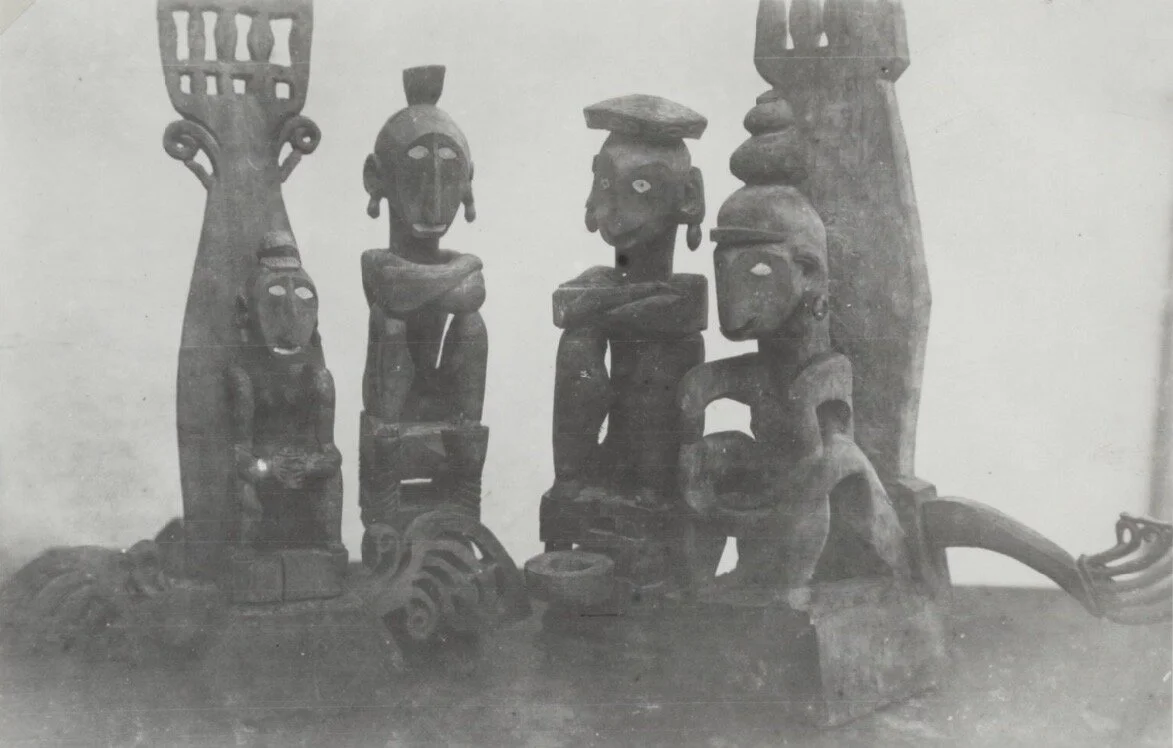
This mesmerizing statue from the Moluccas is not simply an ancestor figure. She represents 'first woman,'' a local version of Eve, and is referred to as "Luli." Such statues were placed in enclosed shrines where Luli was propitiated and worshipped by women. Luli shrine houses allowed women to speak with their mothers and grandmothers, ultimately to consult their ancestral line back to 'first woman' for guidance, good luck, wisdom, fertility, and prosperity. These statues are exceedingly rare. Most of them were burned by European missionaries starting in the mid-19th century.
According to the well-known scholar of the Moluccas, Nico de Jonge, roughly a dozen examples of these figures have survived, and all but two are now situated in museums. The figure and background are carved from a single piece of wood, The background resembles a 'tree of life' and may have been influenced by the concept of the stelae behind Hindu and Buddhist deities from Java. The inlays are original. Side panels or wings are missing. According to de Jonge, the style of the statue’s body is the oldest type of crouching figure form in the region’s aesthetic canon.
YOU MAY ALSO LIKE