007: LAST MASK STANDING
BABAR
MASK
M A L U K U
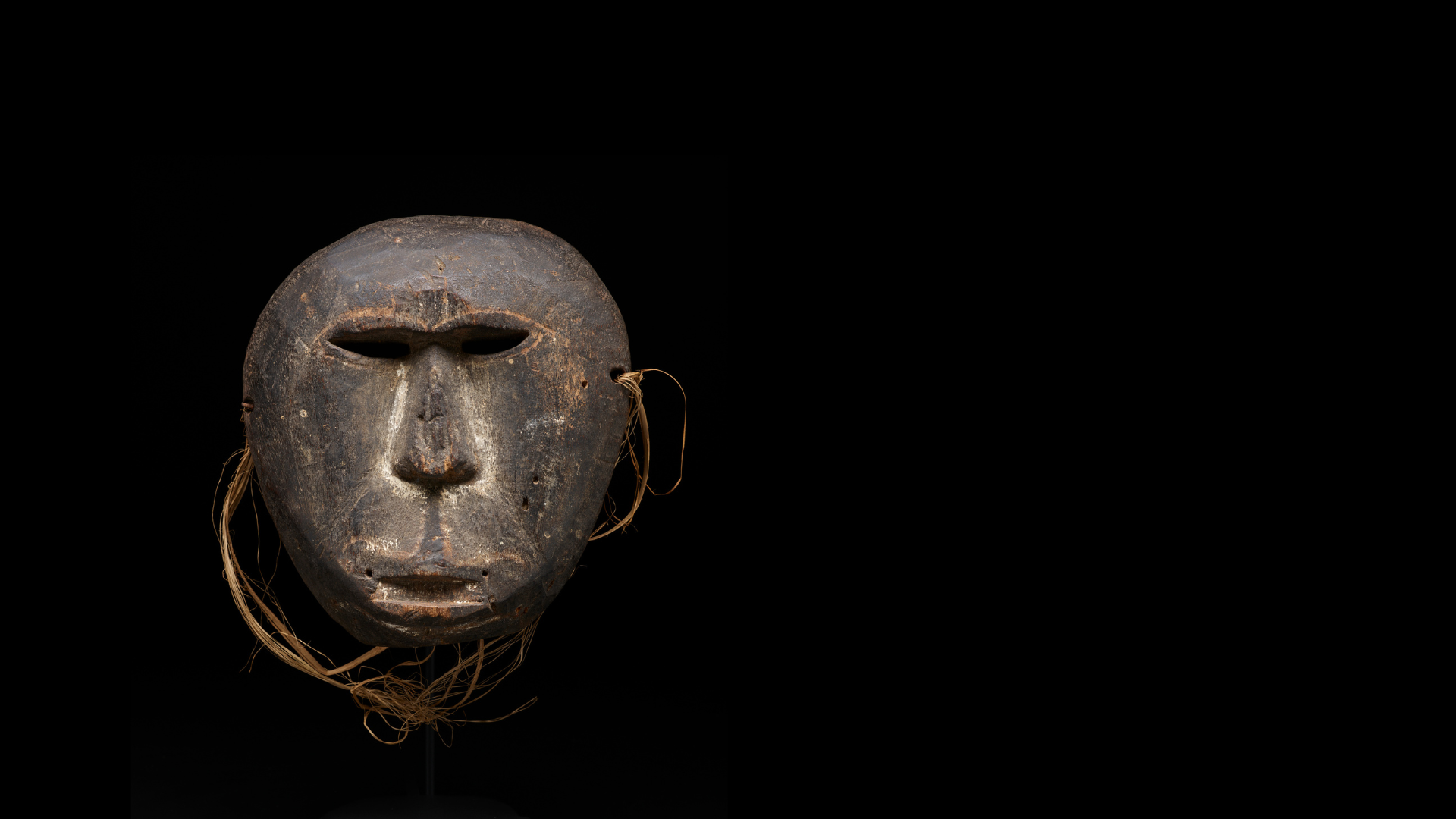
BABAR MASK
-
Circa 1900 or earlier
-
Village of Bululor, Marsela,
Babaar Archipelago, Southeastern Moluccas -
Maluku/Moluccan peoples
-
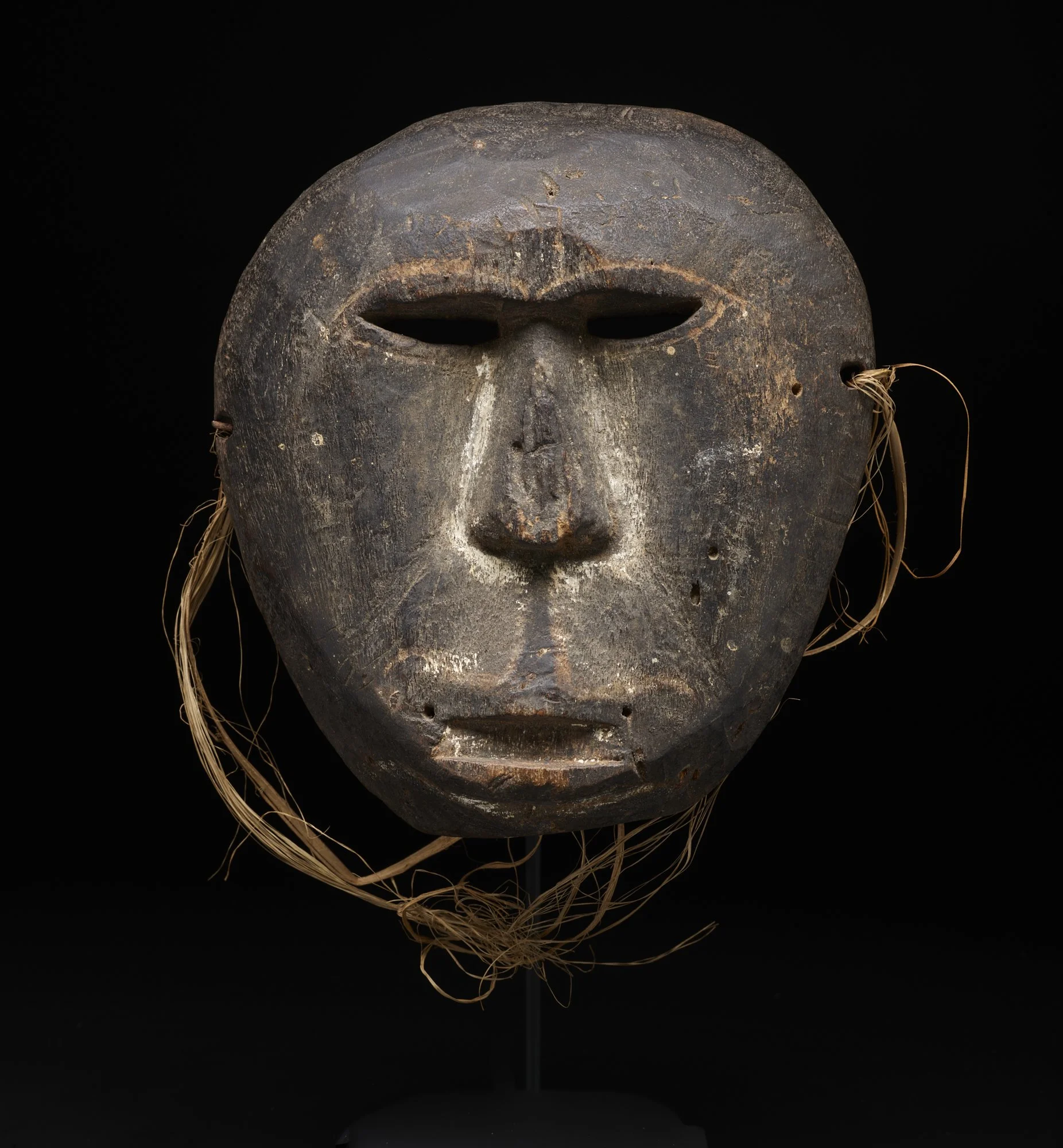
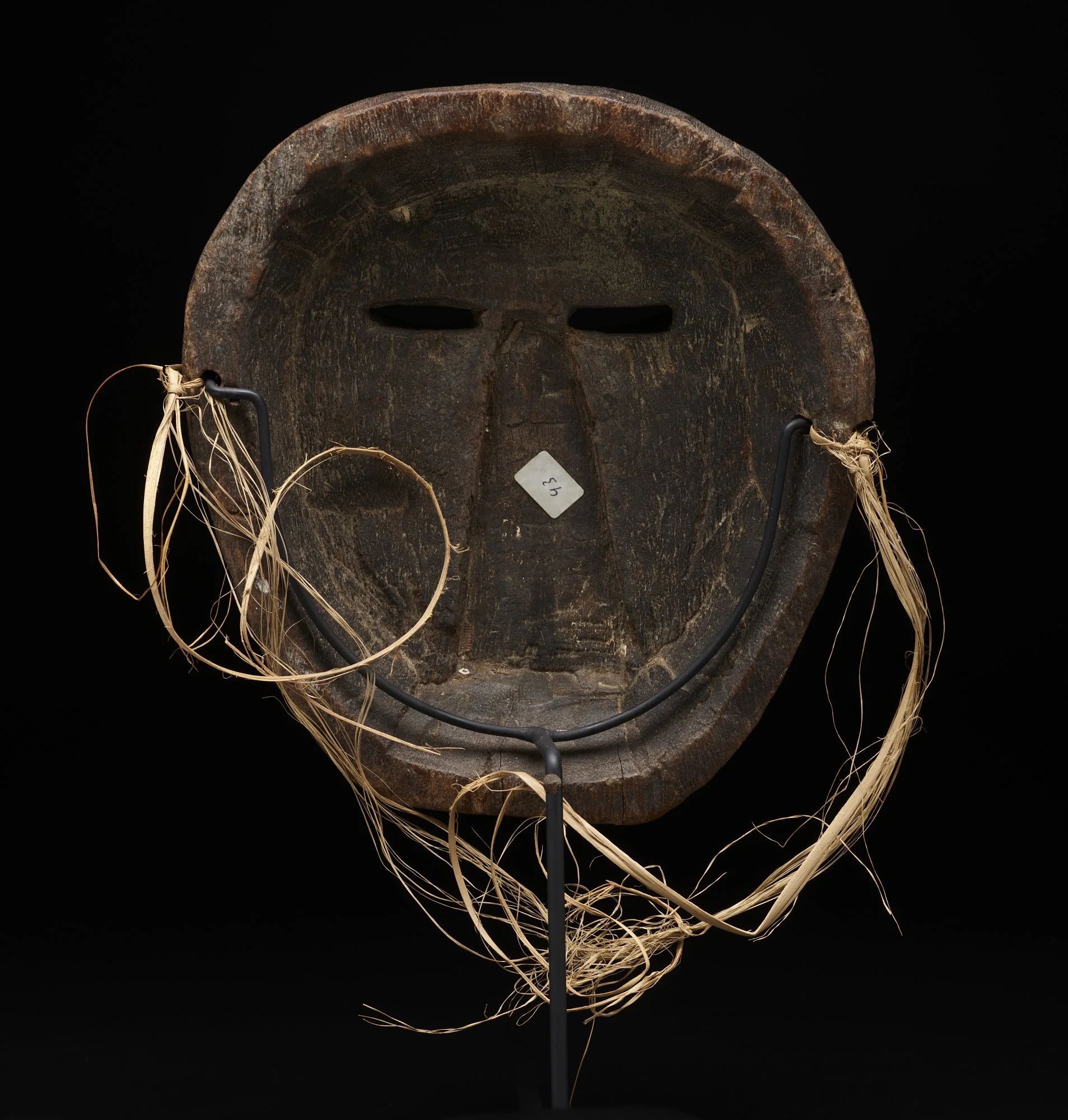
Hardwood and raffia attachments with traces of chalk lime pigmentation
-
8.75 in (22.23 cm)
Mounted: 13 in (33 cm) tall
Width: 8 in (20.32 cm) -
Private European collection
Collected in situ in 1981
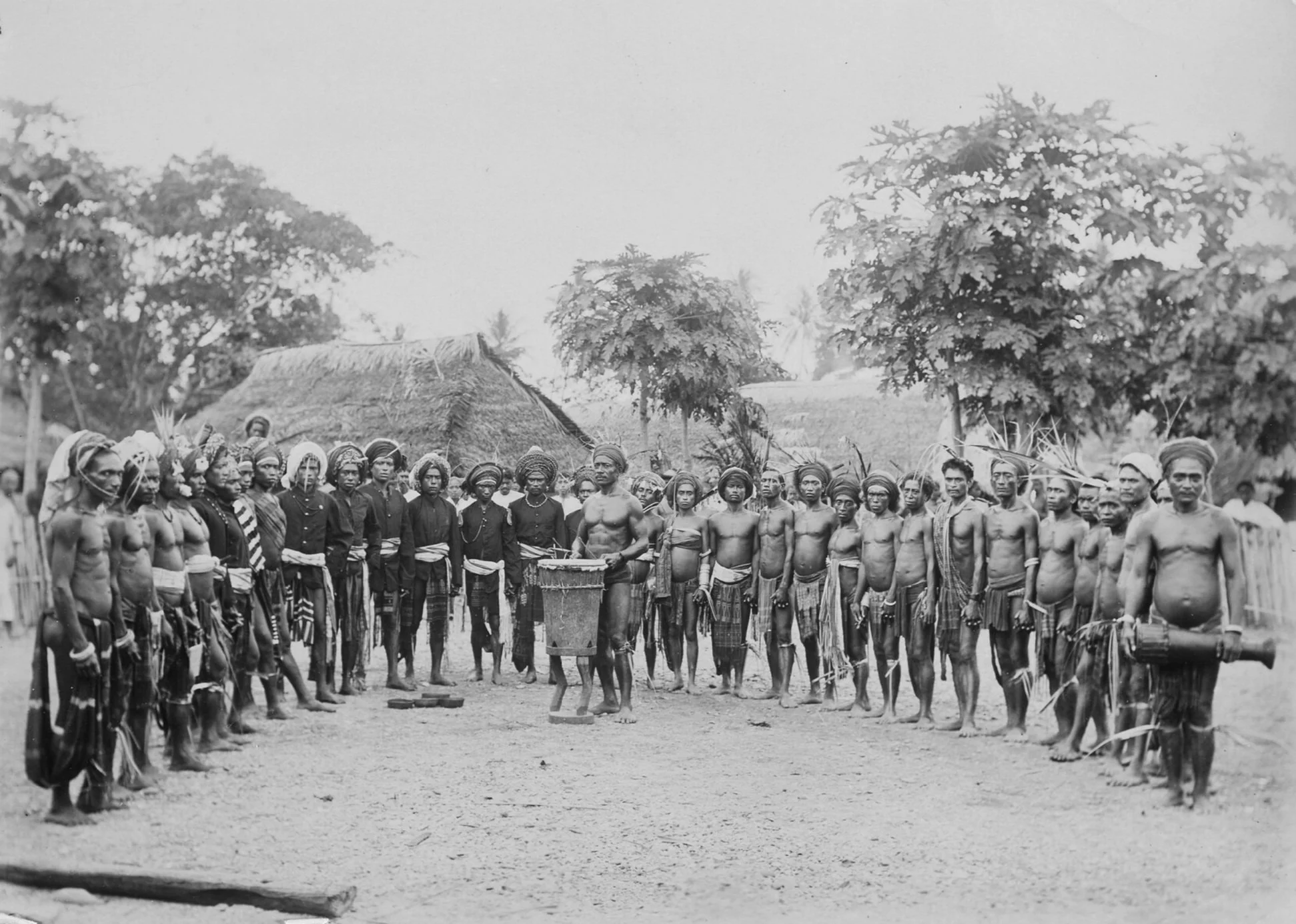
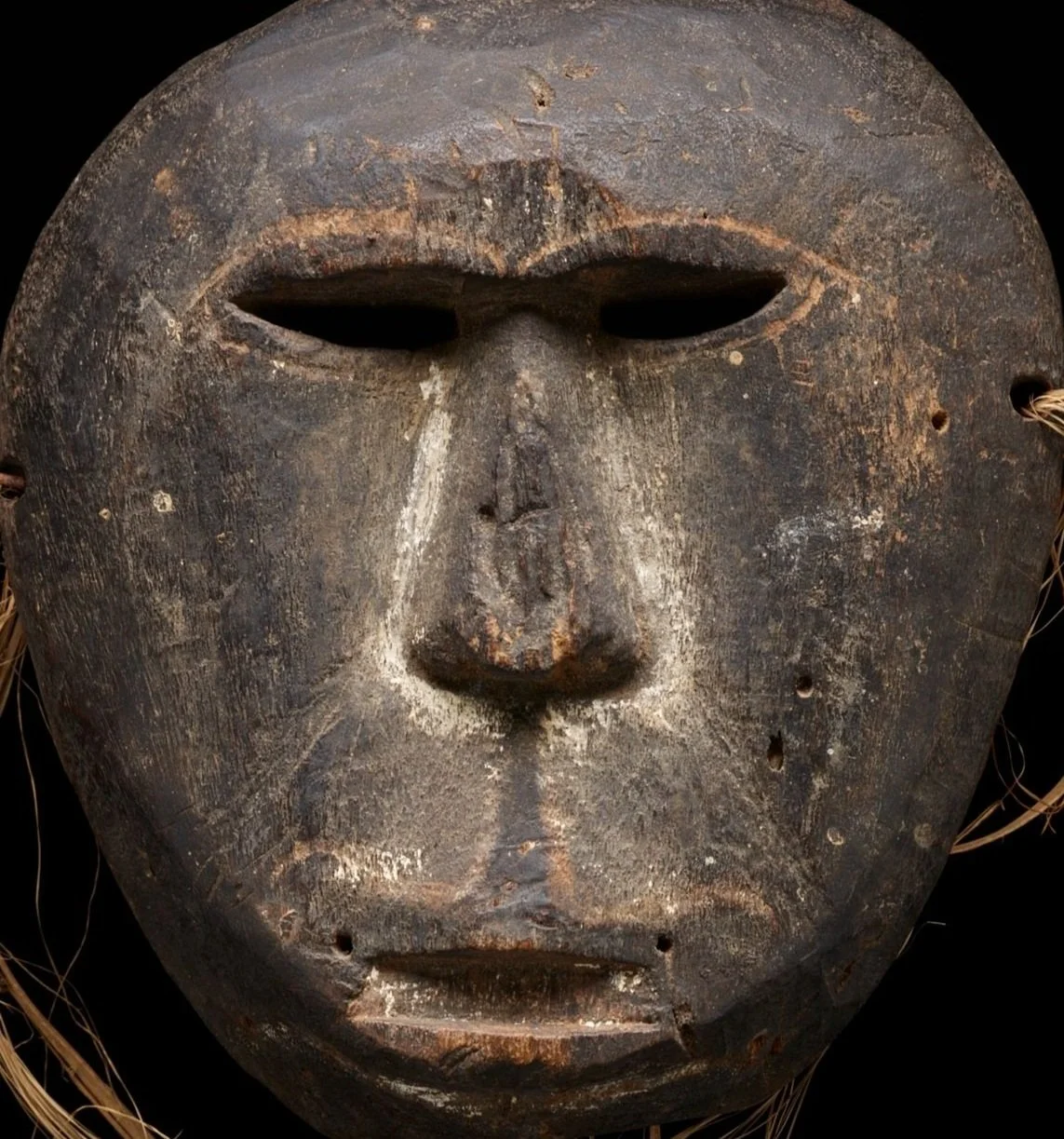
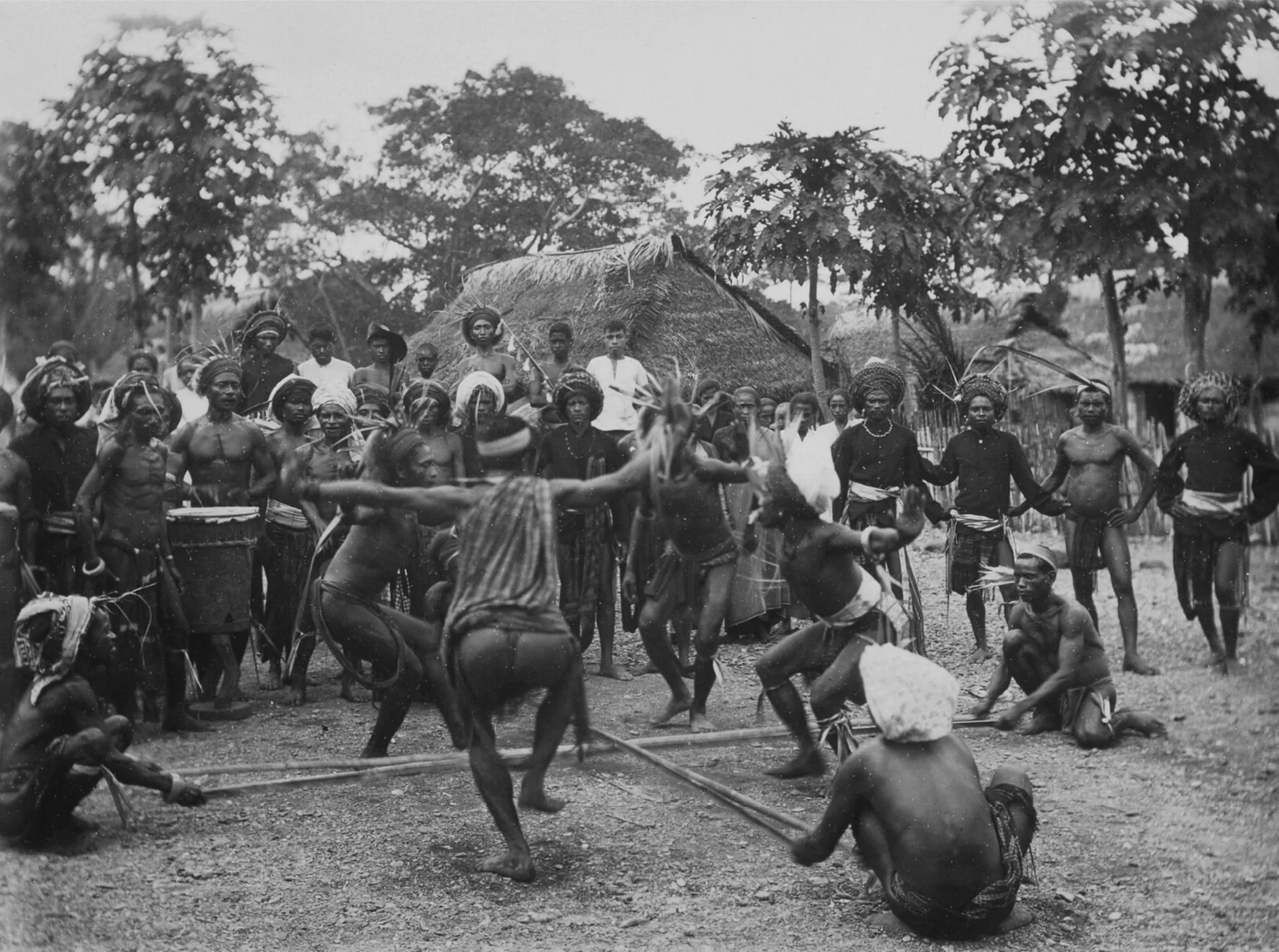
Masks were incredibly rare in the Babar archipelago, nowhere to be found on the islands in decades. Their obscurity has, for the most part, excluded them from being mentioned in literature. Only in the unpublished journals of German ethnologist Wilhelm Müller-Wismar, who traveled the archipelago in 1913 and 1914, are they remarked upon. Traveling on the island of Wetan in 1913, he wrote: Holzmasken, pepeye, sollen zum Erschrecken der Kinder gedient haben - which loosely translates into English: "Wooden masks, pepeye, were made to frighten the children (Babar journal: 59).
During Müller-Wismar’s stay in the archipelago, he managed to collect a pair of masks: a wooden one on Babar (in the village of Yatoke) and one made from gourd on the island of Dawelor (in the village of Watuwei). After his death, both masks found their way into the collection of the Rautenstrauch-Joest Museum in Cologne, registered under the indices 36498 and 36499, respectively. Thus, including this present mask from Marsela (from the village of Bululora), the total number of known surviving masks from this region is a mere three.
The journal note written by Müller-Wismar is – as far as we have been able to corroborate — entirely correct. During our field work in the Babar archipelago from 1981 through 1983, we received the same information about the traditional mask practice. The mask itself likely represented a spirit of nature, a category of spiritual beings with human traits that are nonetheless half human - half nature (spirits). The islanders hold a strong fear of these often very hairy creatures. In concordance with this, the Marselan mask, we were told, was originally coated with plant fibers (connected to small iron nails, among other things) that were meant to imitate scalp and beard hairs. It was also given a human-like ‘tall nose.’
— NdJ
The better-known small porka masks from Leti and the surrounding islands are also extremely scarce, with only seven examples and one additional fragmentary mask known to have survived the intense period of European colonization, Christian conversion and the suppression of old rituals and the use of cultural heirlooms. Although very few specimens survived, it is quite clear that masking traditions formerly abounded in the Moluccas. This offering reflects a once-in-a-lifetime opportunity to acquire a spectacular mask from the magical Spice islands, one of the essential and foundational centers of Indonesian traditional culture.