012: LORD OF THE RAFTERS
YENE
S E R M A T A I S L A N D
MALE SHRINE FIGURE
-
19th century or earlier
-
Sermata Island, Southeast Moluccas, Eastern Indonesia
-
Leti Islands peoples
-
Dense red hardwood kayu kenawa (Pterocarpus indica) with shell inlaid eyes (Melo amphora)
-
Height: 18 in (45.72 cm)
Width: 7 1/2 in (19.05 cm)
Depth: 6 in (15.24 cm) -
Old Dutch colonial collection
Private collection, Holland
Loed and Mia von Bussel, Amsterdam
Private American collection
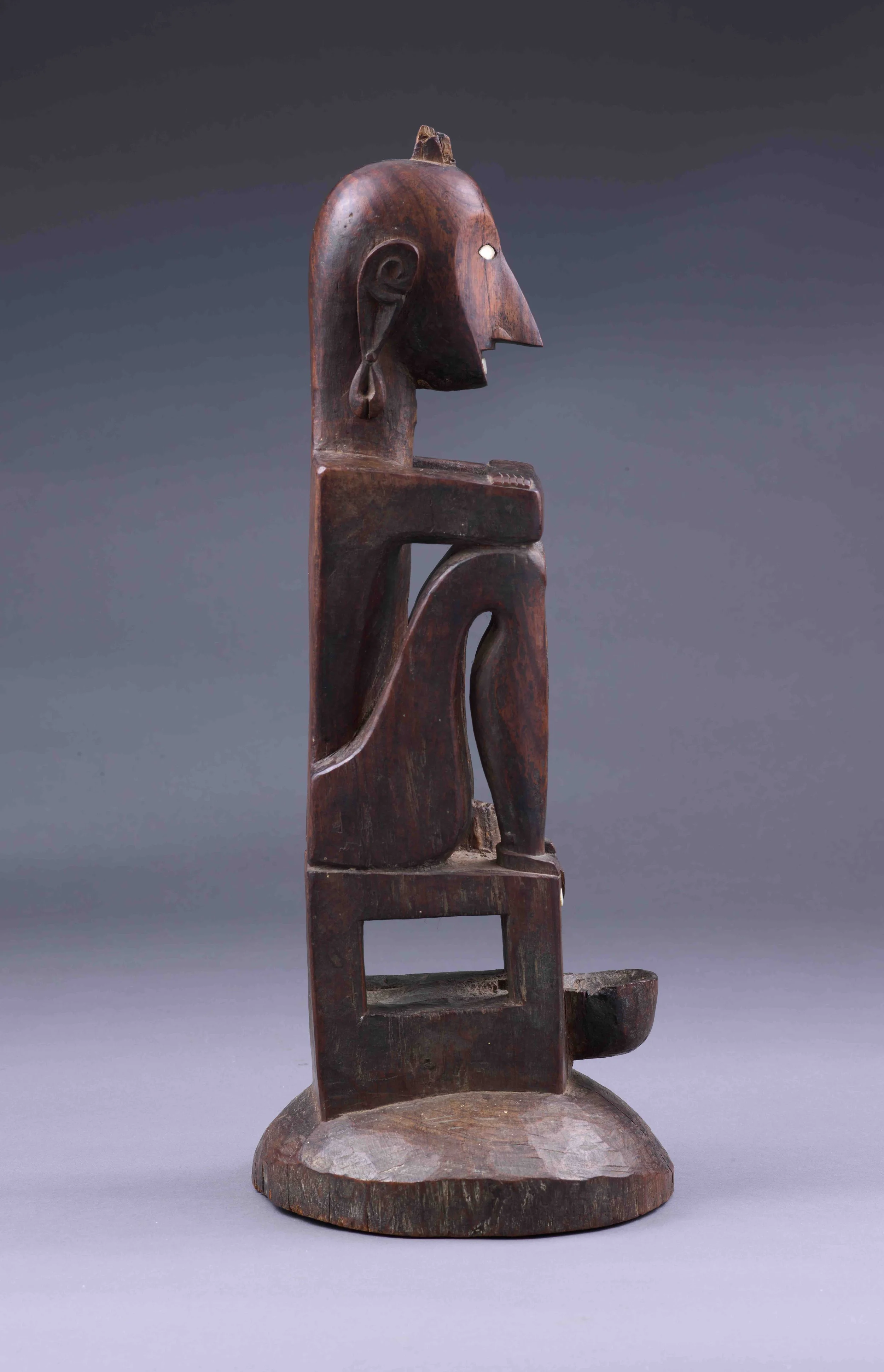
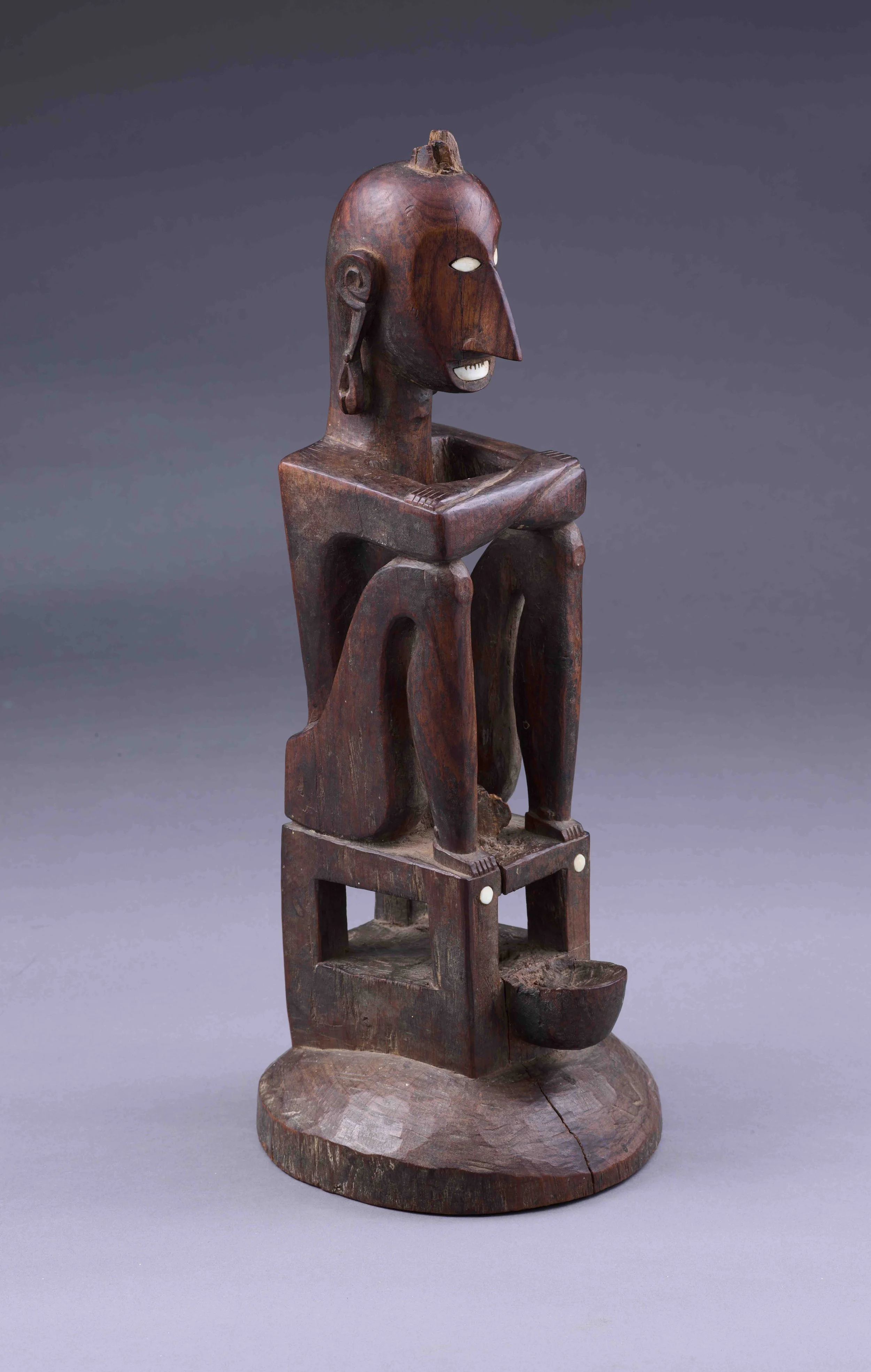
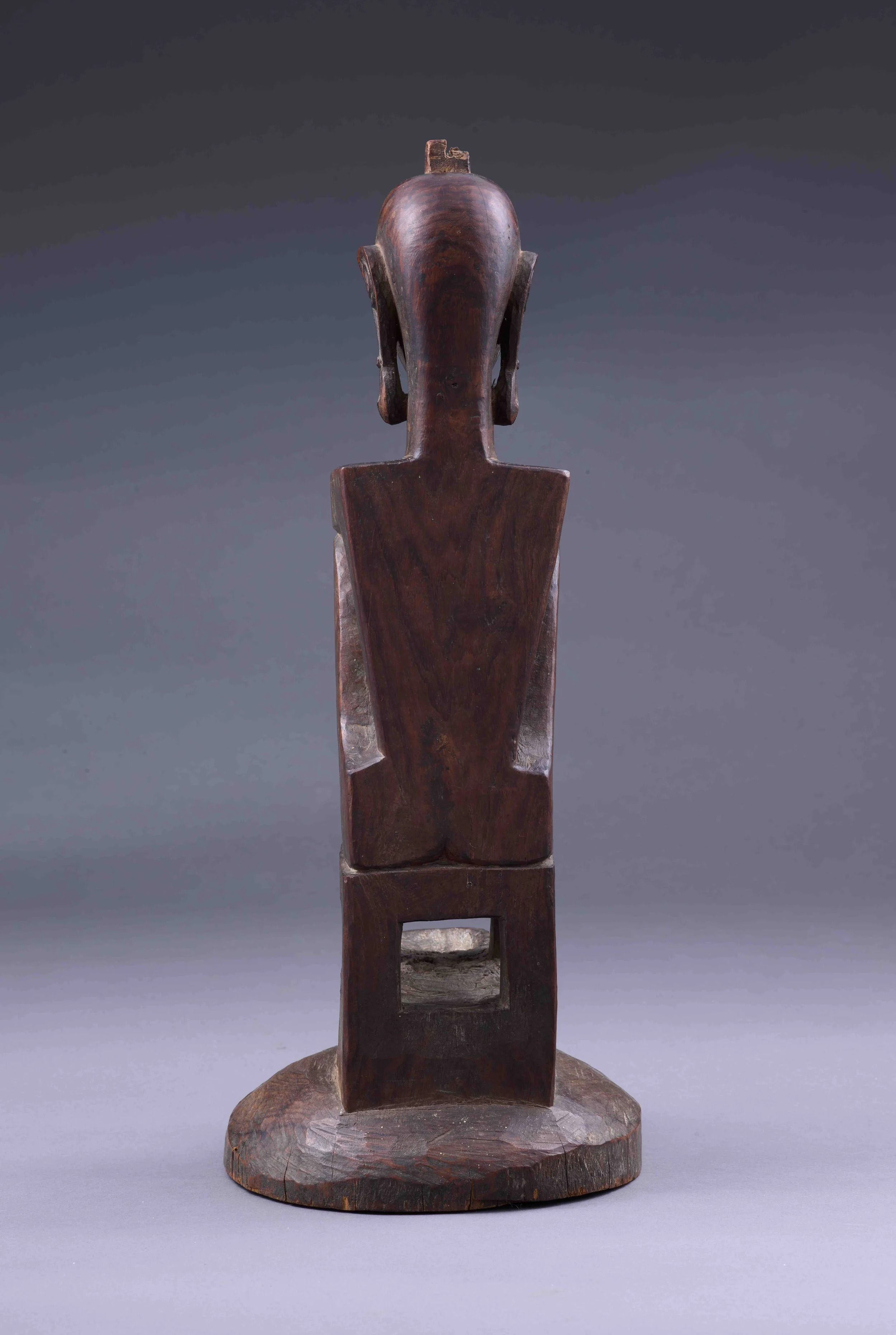
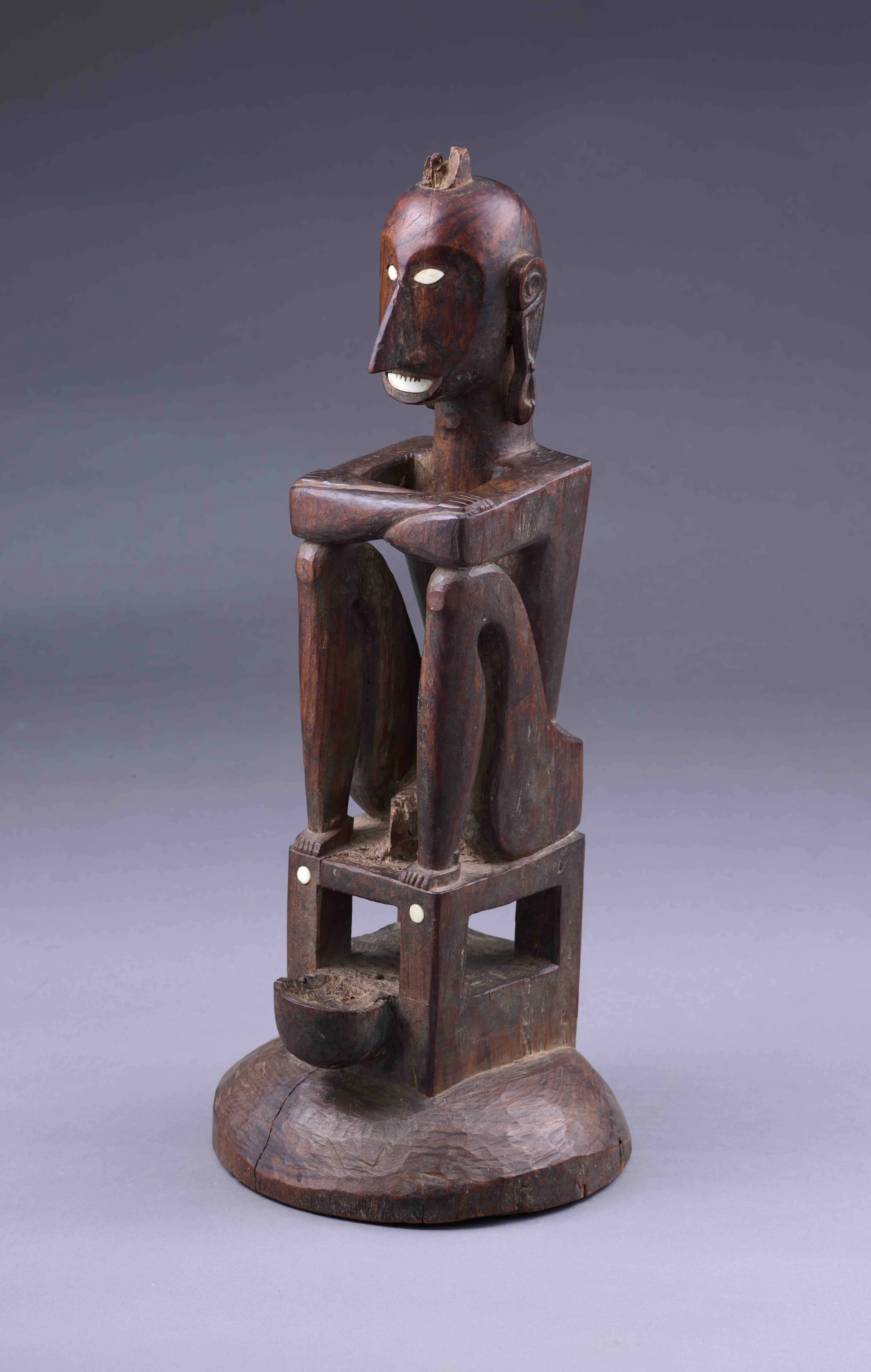
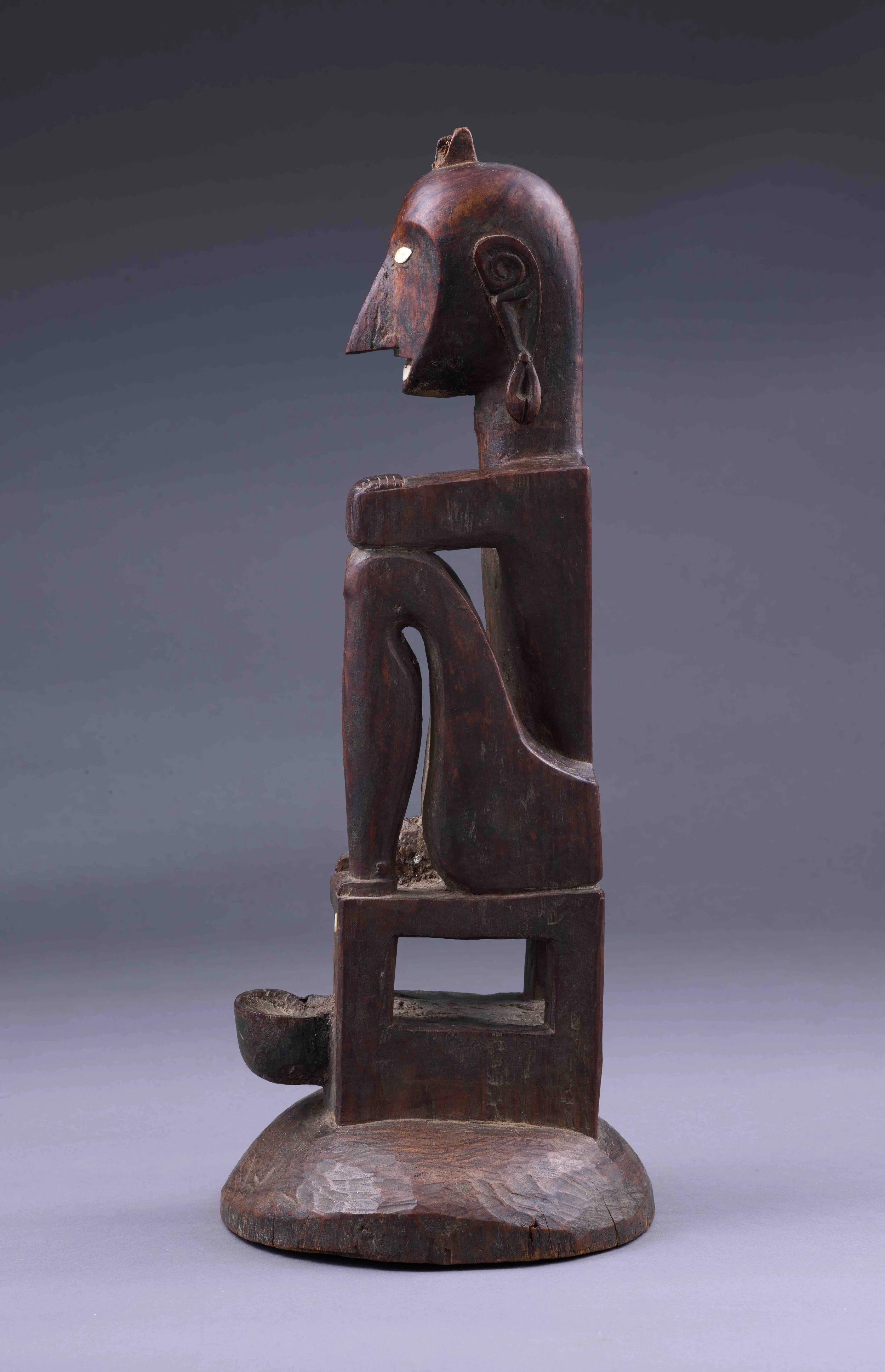
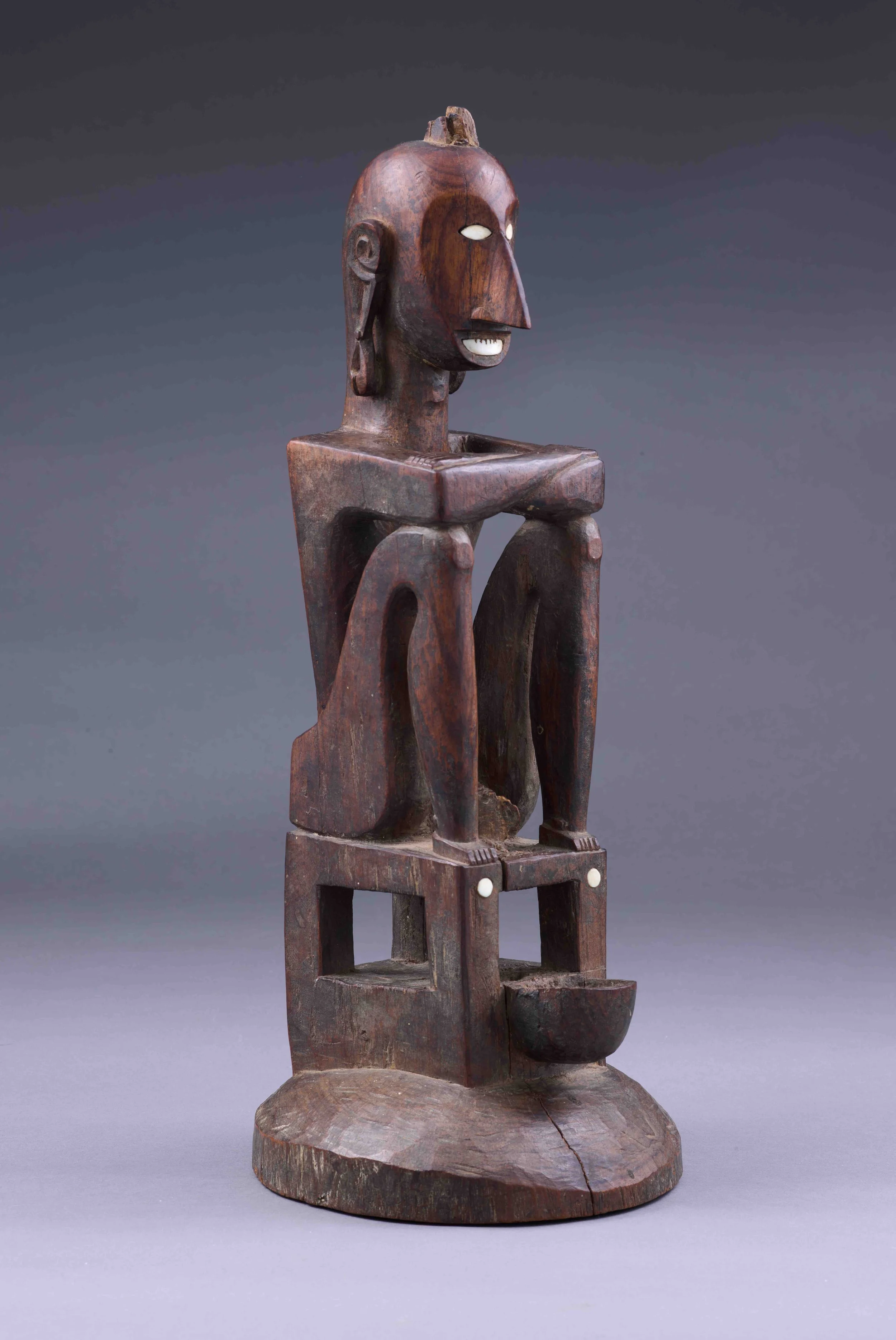
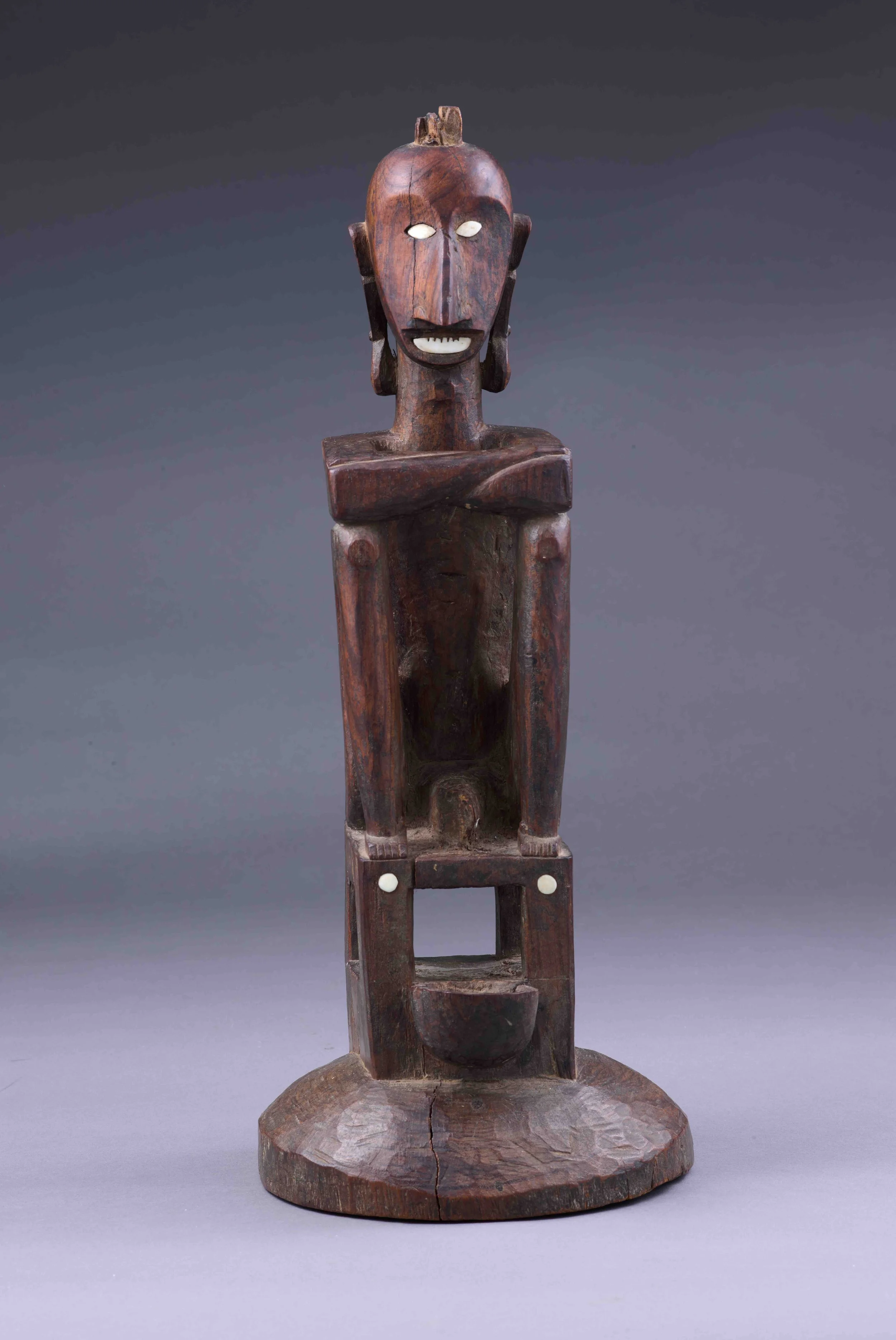
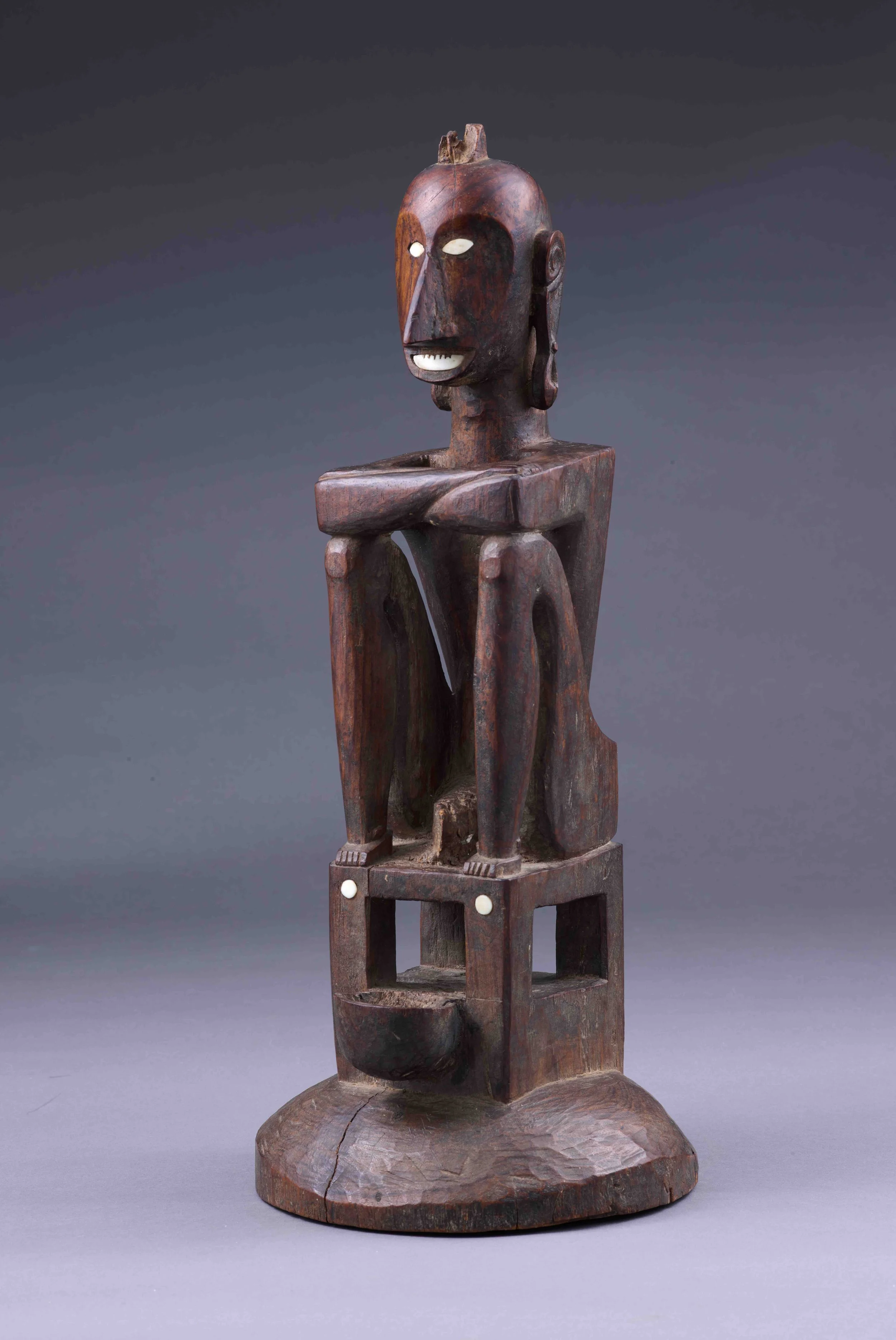
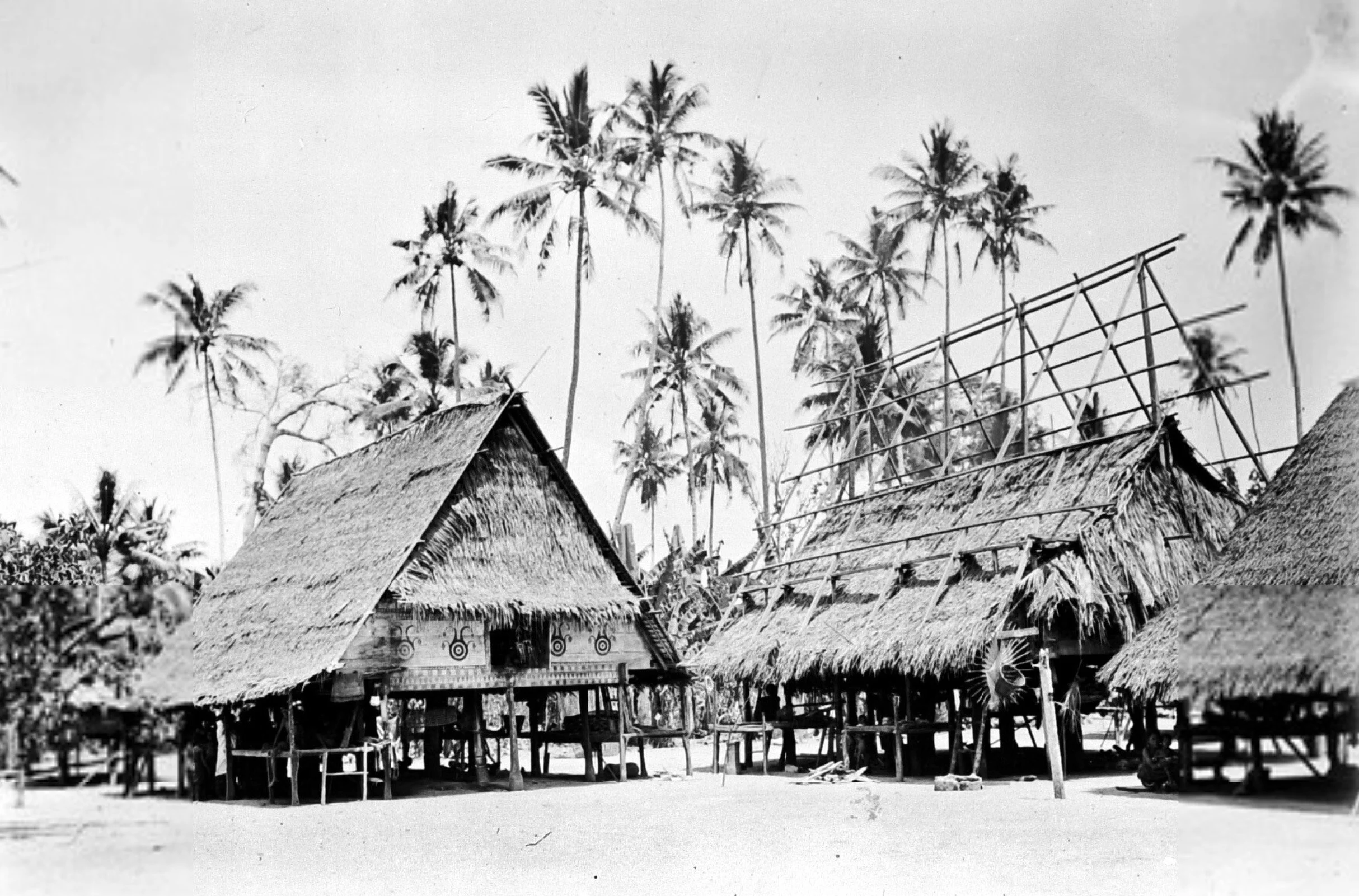
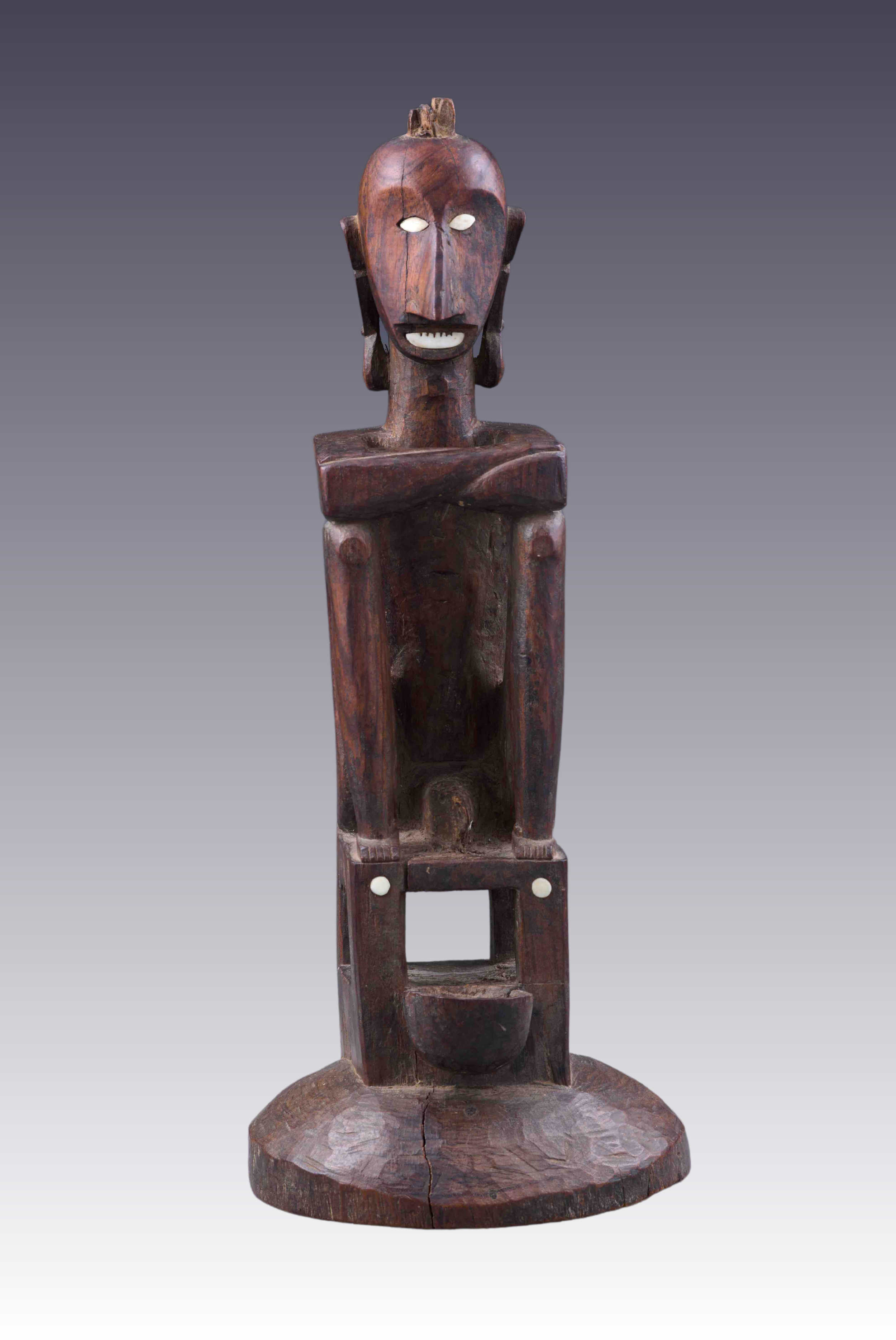
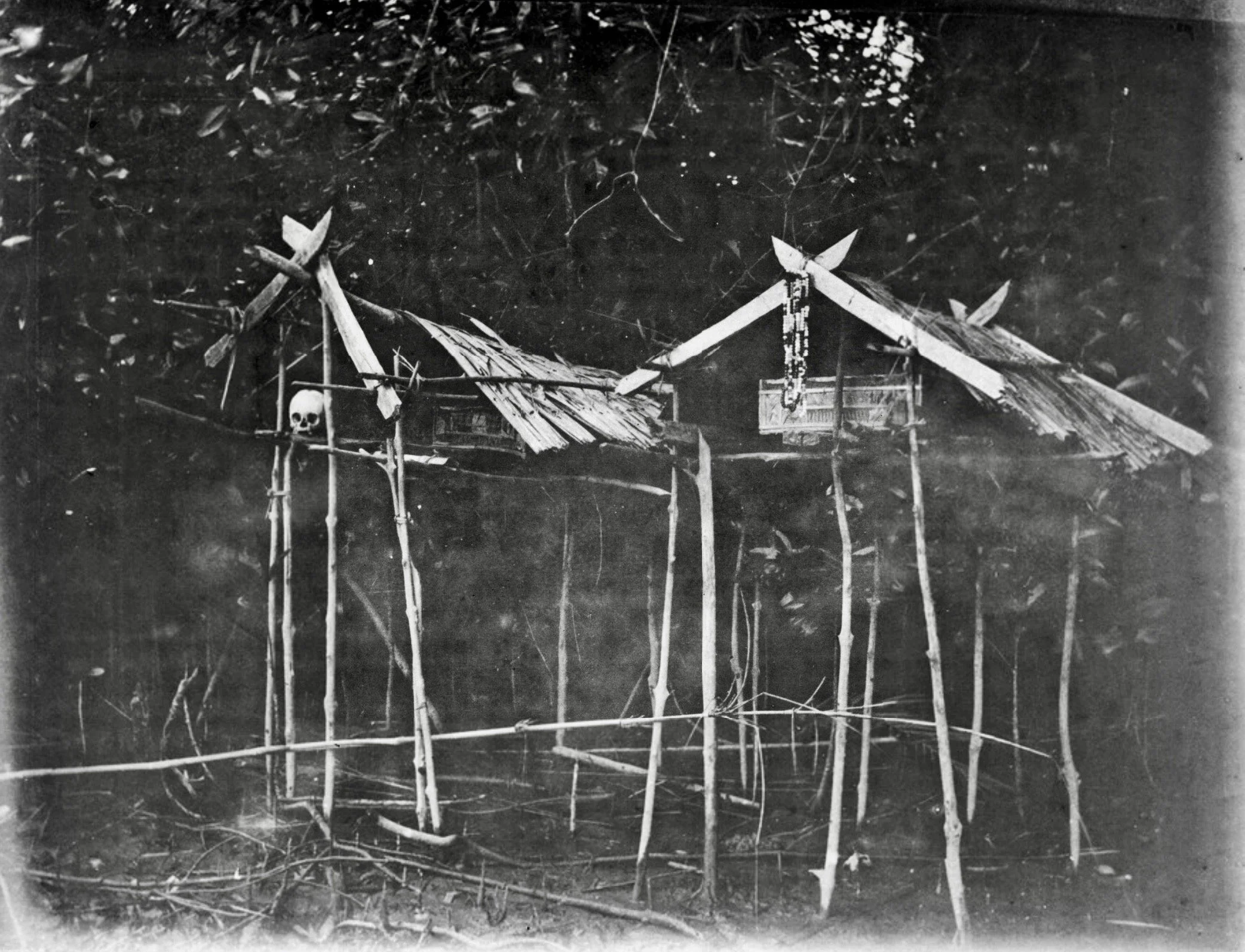
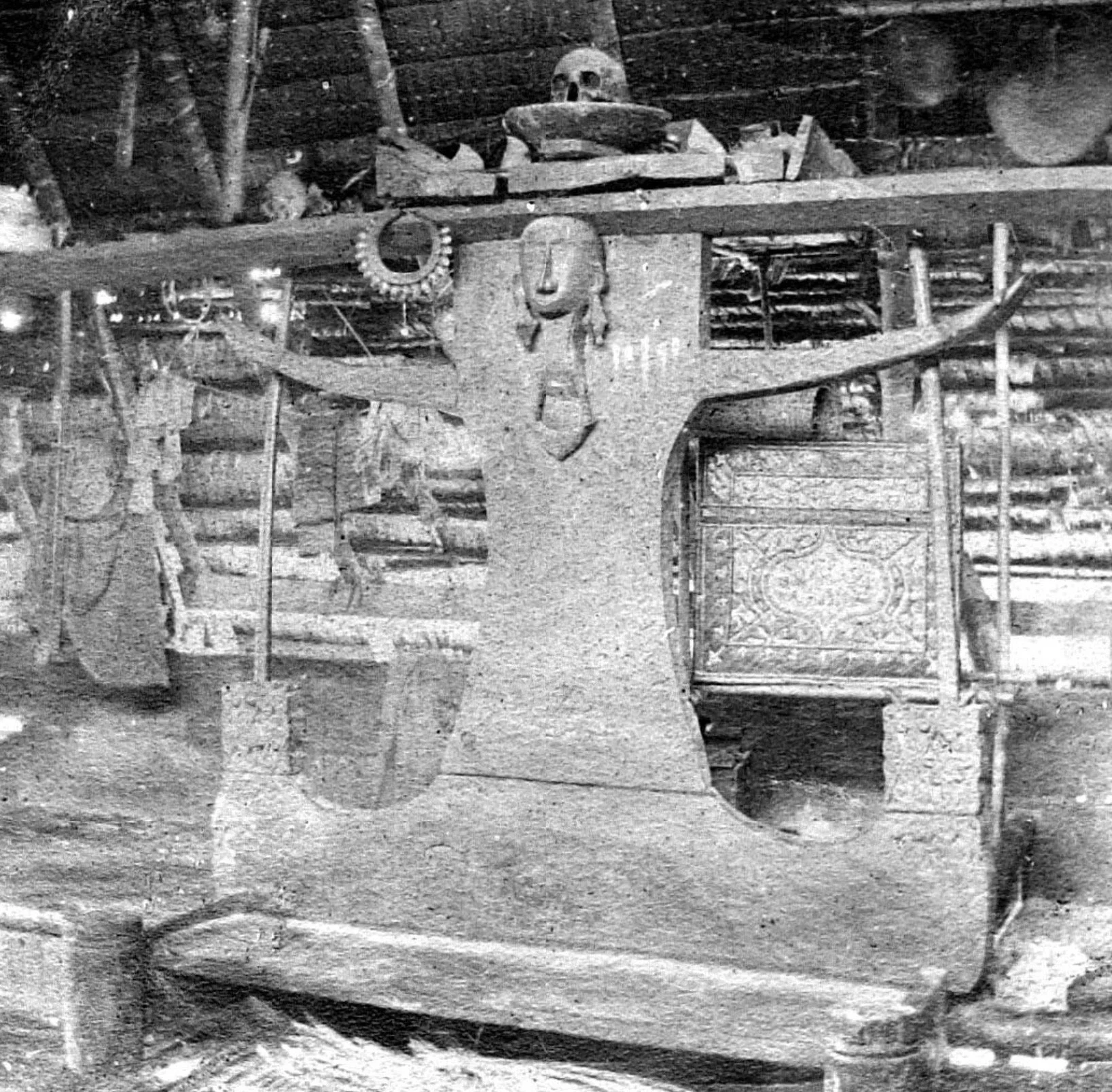
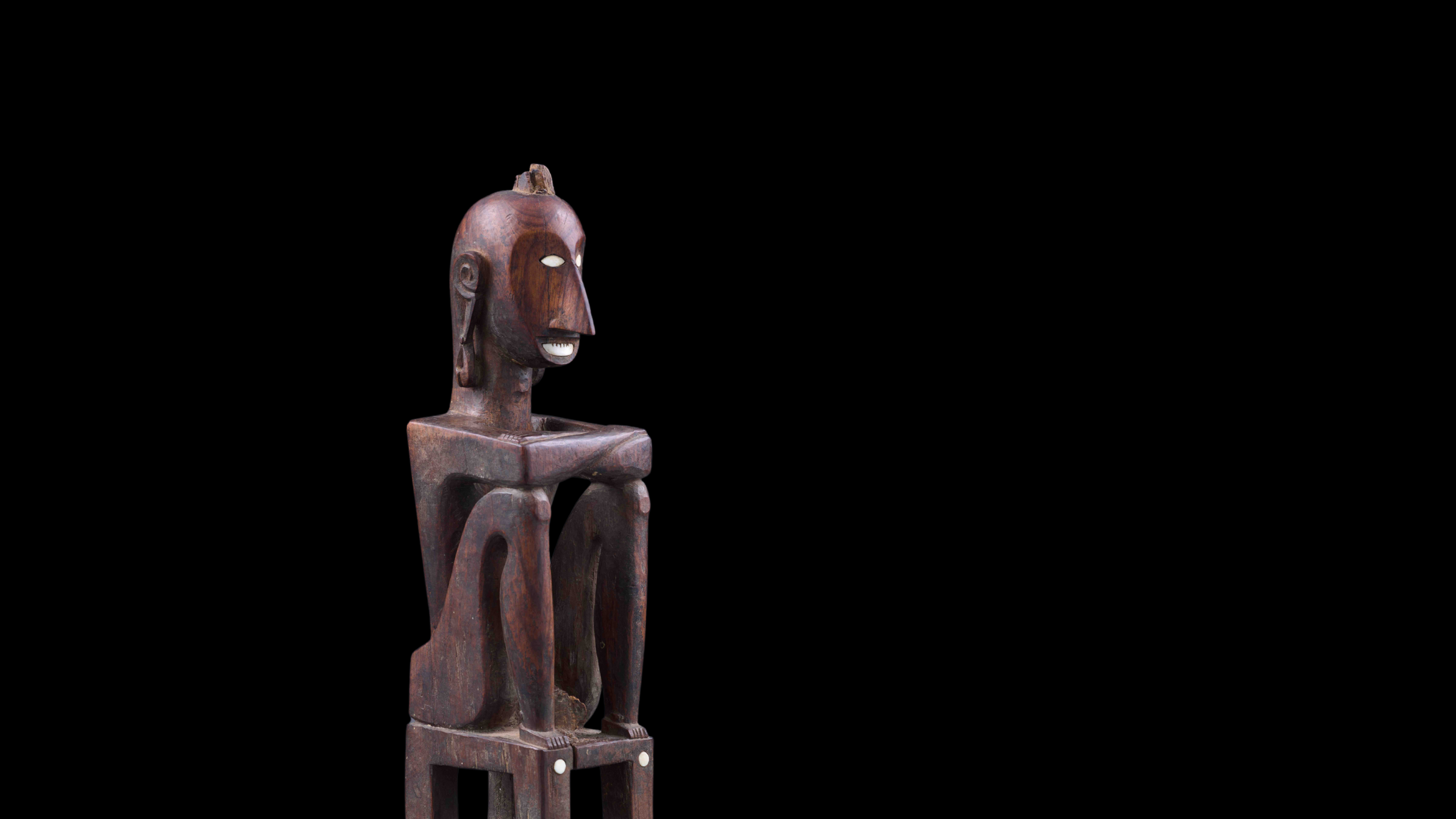
A large, classical statue from the island of Sermata to the east of Leti, in the southern region of Maluku, formerly known as the Spice Islands (The Moluccas). Size, ornamentation, inlays, elevation, and virtuoso carving suggest this is a very important male ancestor figure, perhaps even a deity. In 1892, Dutch missionary N. Rinnoy wrote about his exploration of a pagan "sanctuary" on the small island of Kisar. "The rectangular construction had an attic room, accessed by climbing a steep staircase and opening a hatch that divided the room into two." According to Rinnooy, the attic's front section was a place of the gods. This impressive figure is believed to represent a heroic clan founder of a descent group, as opposed to the smaller, generally less artistically rendered images representing individual family members.
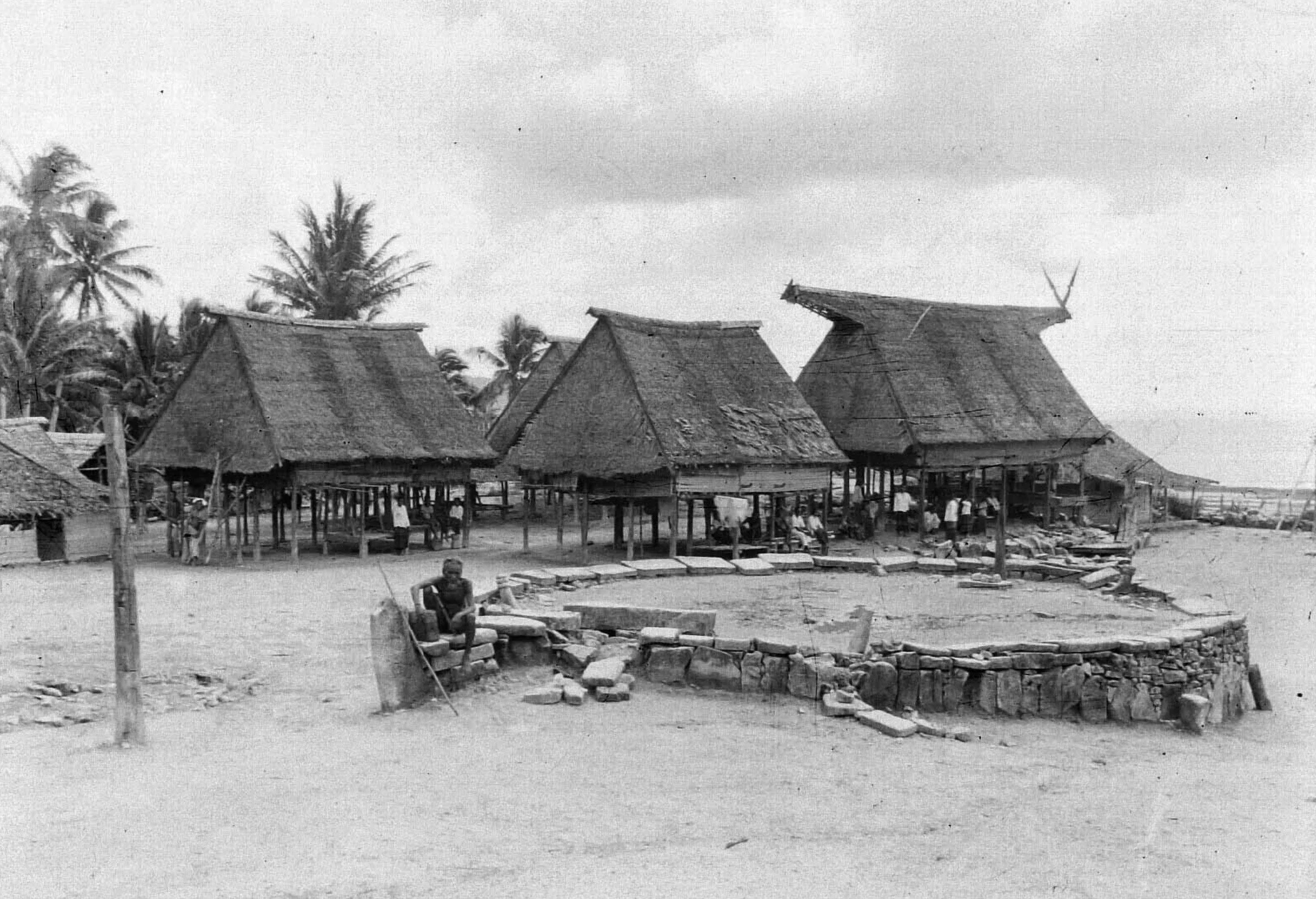
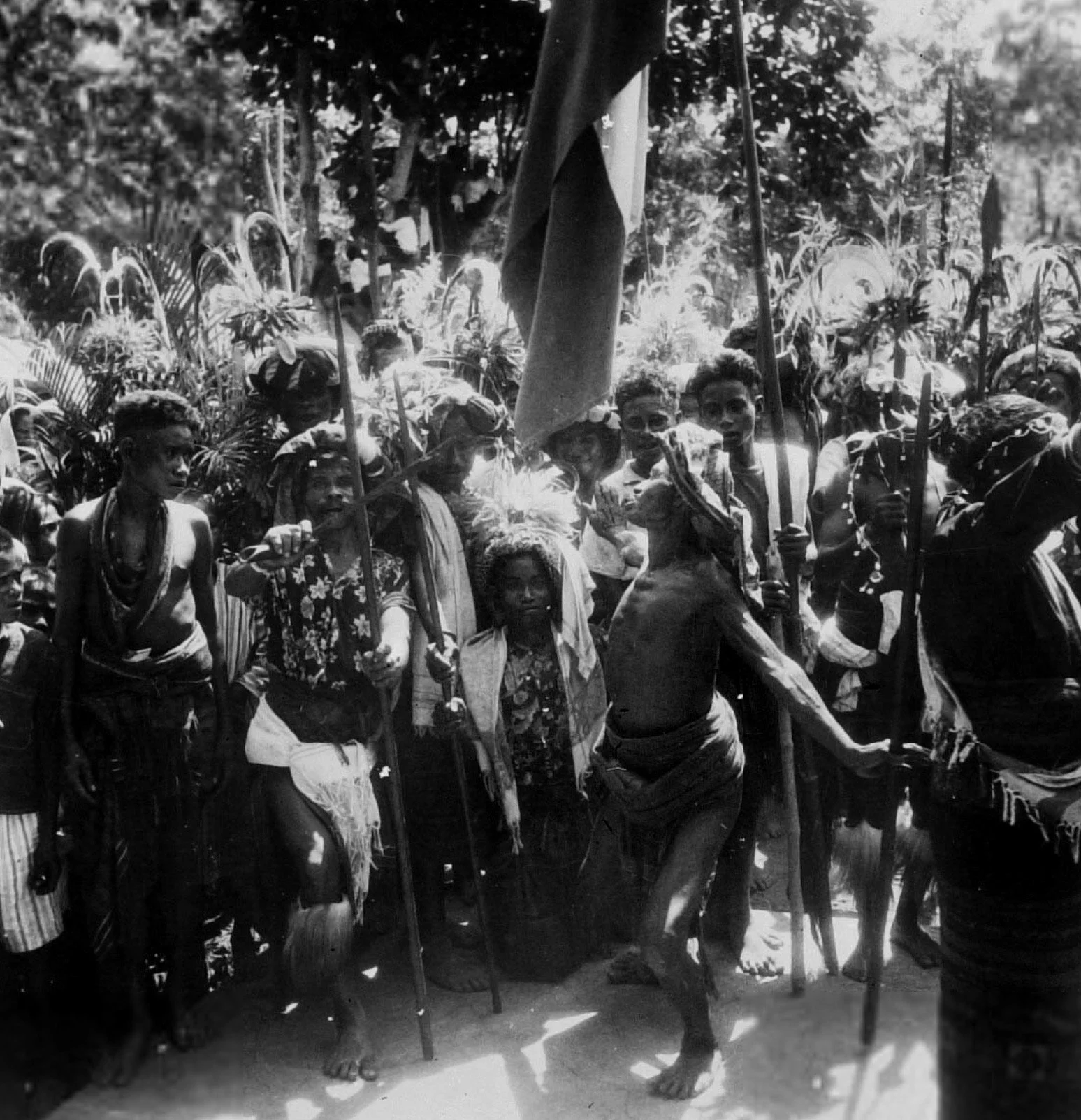
Once ubiquitous to the entire region, the veneration of such figures only survived on Leti, Sermata, Babar, Damar, Kisar, and Tanimbar until the dawn of the 20th century. From the mid-19th century to the 1950s, traditional culture, including carved wooden images, was repressed and destroyed by the Dutch colonial administration and then through the Republic's early years by ardent officials and zealous missionaries. Such statues have not existed in situ for more than one hundred years. Stellar examples are preserved and stewarded in Nationaal Museum van Wereldculturen, the Rautenstrauch-Joest museum in Cologne, Museum Nasional Indonesia in Jakarta, as well as in Yale University Art Gallery, the Dallas Museum of Art, and The Metropolitan Museum of Art.
In former times, figures of common ancestors could be hastily carved by anyone. Still, in the case of more finely rendered memorialization of deities or clan founders, a special class of experts was employed who received pigs, goats, and cloth in return for their efforts. Carving an image of ancestors served as their 'shadow image,' which was meant to consult and bless the living. It was assumed that after a person dies, this shadow lingers before traveling to the realm of the dead. It was important for next of kin to venerate these 'shadows' with offerings of betel nut, sirih leaves, and palm wine. Curiously, the temporary habitation of these statues with shadow images still allowed their owners to freely sell them to early visitors in exchange for coveted foreign items. According to de Jonge, islanders would then produce a new series of images (de Jonge: 49-50).
This particular statue is a high example of Moluccan art. This personage sports a crown of authority (though fragmentary), well-executed omega-shaped earrings known as lorong or loralora that hang from his beautifully carved ears, a bowl for offerings, and inlays. He is proudly crouched in a hunkered stance but on an elevated base. After missionary contact, and in the last phases of this carving tradition, figures were carved sitting on European chairs to accentuate their authority.
Superior Leti area figures are all about the fine details and the resulting harmony and appeal when parts and planes fit well together. Often spare geometric treatments are mixed with gentle ovoid or rounded areas in an inimitable manner, unique to this region in far eastern Indonesia. The hands are telling on these statues too. Here, they are flat yet refined and significant as even the wrist bones and knuckles are carefully realized. This statue represents an unusual opportunity to acquire a sublime piece of perfect proportions from this vaunted island tradition.